Category: Road Forecast

Looking for information on upcoming cars in the Philippines? Road Spec PH’s Road Forecast series explores expected vehicle launches, predicted specifications, estimated pricing, and industry insights based on regional and global market developments.

  • August Brings Two New Electrified Japanese Crossovers to the Philippines

    August Brings Two New Electrified Japanese Crossovers to the Philippines

    Mitsubishi is returning to the local PHEV market while Nissan prepares to launch a new Kicks e-POWER — but both vehicles also raise questions about how Japanese brands are approaching electrification in the Philippines. August 2026 is shaping up to be an interesting month for electrified vehicles in the Philippines.

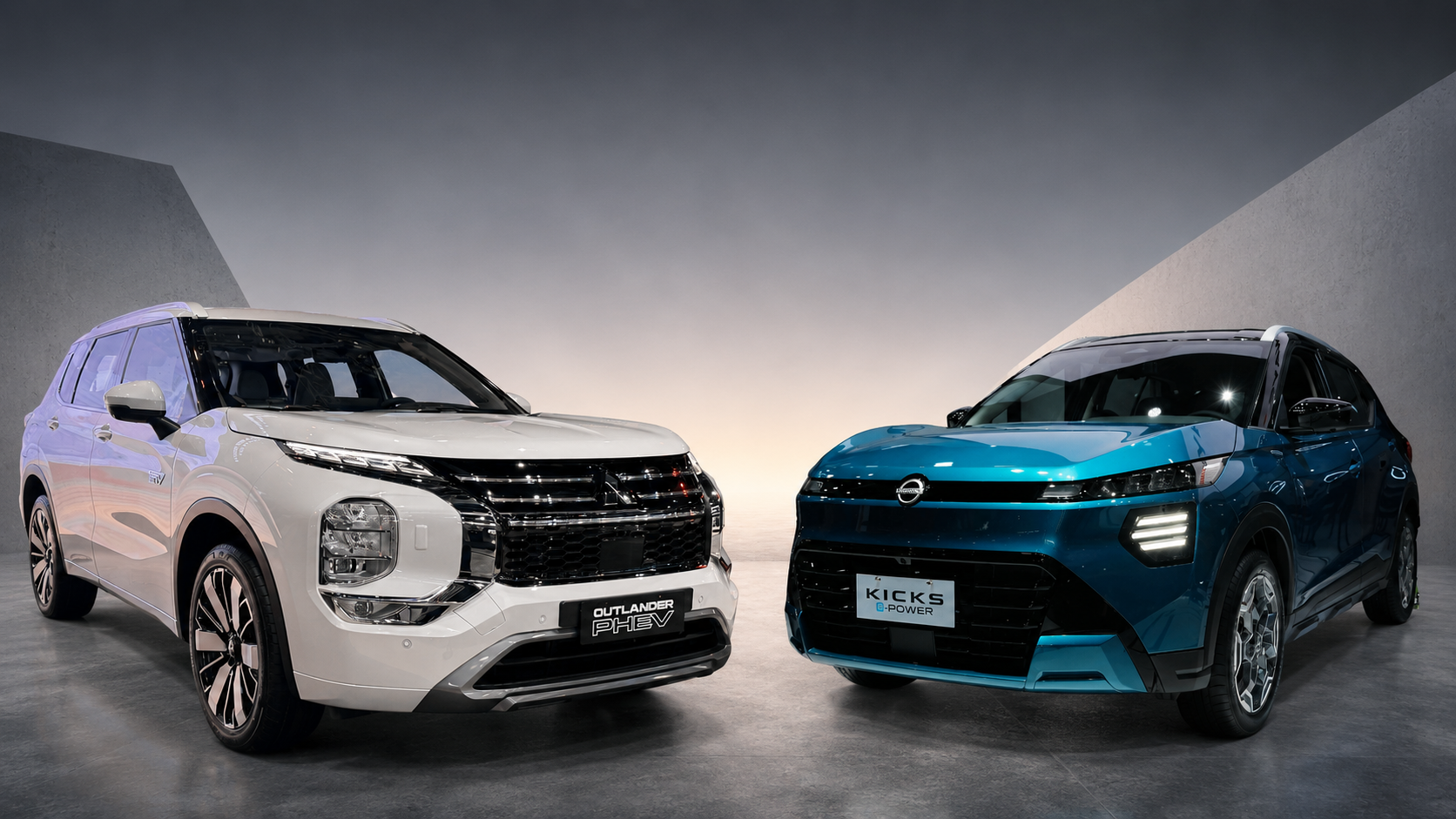
    Two Japanese manufacturers are preparing to introduce new electrified crossovers to the local market: Mitsubishi Motors Philippines Corporation (MMPC) with the Outlander PHEV, and Nissan Philippines with the all-new Kicks e-POWER.

    While the two vehicles use different approaches to electrification, their upcoming launches represent two notable developments for their respective brands — Mitsubishi’s return to the local plug-in hybrid market, and Nissan’s expansion of its e-POWER lineup.

    Mitsubishi Returns to the PHEV Market

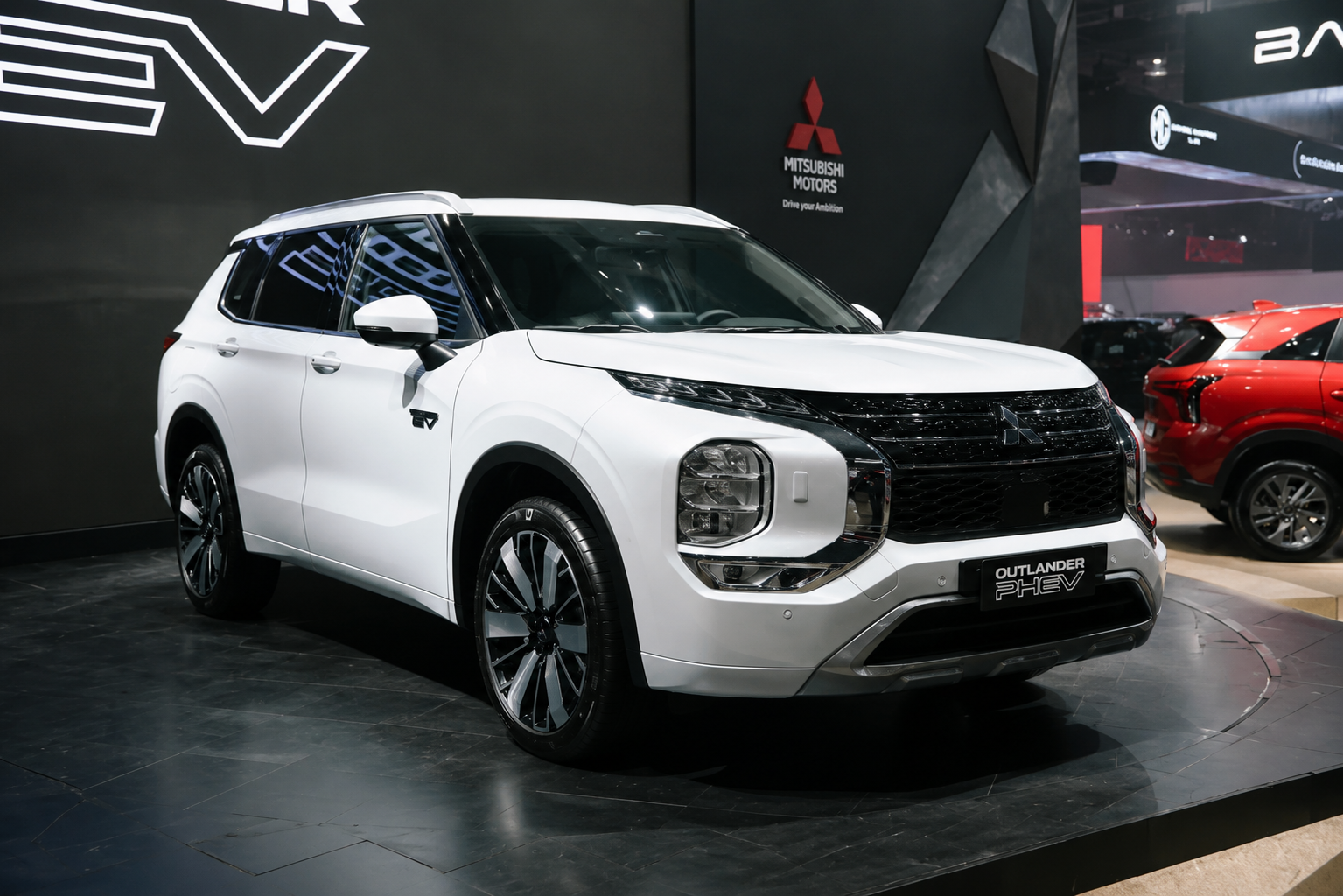
    Mitsubishi Motors Philippines is scheduled to formally launch the Outlander PHEV on August 20, 2026, following its Philippine preview at the 10th Philippine International Motor Show in June. The launch is expected to reveal the local model’s pricing, variants and final equipment.

    The fourth-generation Outlander PHEV uses a 2.4-liter gasoline engine paired with two electric motors, producing a combined 302 hp and 450 Nm. It also uses Mitsubishi’s Super All-Wheel Control system and offers multiple drive modes. Mitsubishi claims an EV-only driving capability of around 100 kilometers for the version shown at PIMS 2026. For MMPC, however, the significance of the launch goes beyond simply adding another SUV to its lineup.

    The Outlander PHEV effectively represents Mitsubishi’s return to the Philippine electrified market after the company previously sold the third-generation Outlander PHEV locally. That earlier model arrived in the Philippines in 2020 with a 2.4-liter gasoline engine and twin-motor all-wheel-drive system. It was priced at around ₱2.998 million, putting it well above many of Mitsubishi’s more mainstream products.

    The previous Outlander PHEV was an interesting product for its time, but the local market was considerably less receptive to electrified vehicles. In 2021, Philippine automotive publications were already pointing out that hybrid and electric vehicle sales remained extremely small compared with conventional gasoline-powered vehicles.

    A year later, Top Gear Philippines conducted an actual electric-range test of the Outlander PHEV and encountered some of the infrastructure challenges that EV and PHEV owners faced at the time. The available charging stations did not always have compatible connectors, while charging infrastructure remained limited. The publication ultimately managed nearly 38 kilometers of electric driving even though the vehicle was only charged to 80 percent for the test.

    Photo : 2020 Mitsubishi Outlander PHEV | Mitsubishi Motors

    The same publication later described the previous Outlander PHEV as a vehicle that did not attract a large number of local buyers, noting that its nearly ₱3-million price placed it in a difficult position against more conventional Mitsubishi SUVs.

    It would therefore be tempting to describe the first Philippine Outlander PHEV as a commercial failure. However, there are no publicly available sales figures that allow us to conclusively make that claim. What can be established is that the previous model eventually disappeared from the local lineup, and that it entered a market where electrified vehicles were still far from mainstream.

    The market has changed since then

    The circumstances surrounding the fourth-generation Outlander PHEV are different. The Philippine market now has a much larger selection of hybrids, PHEVs and battery-electric vehicles, while charging infrastructure has also expanded. More importantly, electrification is no longer limited to a handful of premium or niche models. Mitsubishi itself is also preparing for a larger electrification push.

    In July, MMPC reaffirmed its commitment to the government’s Electric Vehicle Incentive Strategy (EVIS) program and confirmed a ₱7-billion investment commitment from Mitsubishi Motors Corporation. The company has previously said local hybrid production could begin as early as 2028 at its Santa Rosa, Laguna plant, although the specific hybrid model has yet to be identified.

    That makes the Outlander PHEV an interesting first step. It is not the locally manufactured hybrid Mitsubishi has promised, but it does put an electrified Mitsubishi product back into the Philippine market ahead of that potential production program.


    Nissan Takes a Different Route With the Kicks

    Nissan Philippines is also preparing for an August launch, with the all-new Kicks e-POWER scheduled to make its local debut on August 28.

    Photo : Kevin Peters | Road Spec PH

    The vehicle was already previewed at PIMS 2026 after making its ASEAN debut in Thailand earlier this year. Nissan Philippines subsequently opened reservations for the new Kicks in July. Nissan’s Philippine website currently lists the new Kicks as an upcoming model with 136 PS and 280 Nm, while highlighting its e-POWER system and 100-percent electric motor-driven propulsion.

    Unlike a conventional hybrid, the e-POWER system uses the gasoline engine primarily to generate electricity, with the electric motor driving the wheels. This means the driving experience is closer to that of an EV in terms of how the vehicle delivers power, while the driver does not need to plug the vehicle into a charger.

    The current-generation Kicks e-POWER has been part of the Philippine market since 2022 and has been one of Nissan’s main local examples of electrification. AutoDeal previously described the system as combining an internal-combustion engine, battery and electric motor, with the electric motor responsible for driving the vehicle.

    The new Kicks therefore isn’t Nissan’s first attempt at e-POWER in the Philippines. Instead, it is the next-generation evolution of a technology Nissan has already introduced to Filipino buyers.

    But There’s Something Different About Our Kicks

    There’s an interesting detail about the new Kicks that Filipino buyers might notice when looking at international reviews. The Kicks coming to the Philippines is not exactly the same Kicks currently sold in the United States and Japan. The distinction became particularly obvious in June when Nissan launched the latest Kicks in Japan.

    Photo : 2027 Nissan Kicks Rock Creek | Nissan U.S.A

    Top Gear Philippines compared the Japanese version with the ASEAN-market Kicks that was previewed at PIMS 2026. Although both carry the Kicks name and use e-POWER technology, they are mechanically different. The Japanese version uses a 1.4-liter gasoline engine as part of its e-POWER system and produces 143 hp and 315 Nm.

    The ASEAN version destined for markets such as the Philippines uses a smaller 1.2-liter three-cylinder engine and produces 134 hp and 280 Nm. The Japanese Kicks can also be equipped with Nissan’s e-4ORCE all-wheel-drive system, adding a rear electric motor. The ASEAN model, meanwhile, is configured differently.

    This isn’t necessarily a case of the Philippines receiving an “old” Kicks. The ASEAN Kicks is a different regional product designed around different market requirements. But it does raise an understandable question:

    Why doesn’t Nissan simply bring the newest Kicks sold in Japan or the United States?

    There is no official Nissan Philippines statement saying that a particular reason is responsible for this product strategy. Therefore, it would be speculation to say that Nissan chose the ASEAN Kicks specifically because of pricing, manufacturing costs, local regulations or other factors. What we do know is that Nissan operates with different regional product strategies, and the Kicks is a good example of this.

    Photo : Nissan X-Trail e-POWER
    Kevin Peters | Road Spec PH

    The same broader phenomenon can also be observed with Nissan’s other global nameplates, including the X-Trail, where specifications and powertrains can vary between markets. For Nissan Philippines, the regional Kicks also fits neatly into the company’s existing electrification strategy.

    The company already sells the X-Trail e-POWER, and its local electrification portfolio is expanding further. Nissan Philippines currently identifies the Kicks and X-Trail as e-POWER models, while also listing the fully electric LEAF and upcoming Primera EV, as well as the Navara Pro plug-in hybrid.

    So rather than viewing the ASEAN Kicks simply as a generation behind, it may be more useful to see it as Nissan’s regional interpretation of the Kicks designed around the electrification strategy it is pursuing in Southeast Asia.


    Two Japanese Brands, Two Electrification Strategies

    That makes the simultaneous launches of the Outlander PHEV and Kicks e-POWER particularly interesting.

    Mitsubishi is effectively returning to a technology it previously introduced to Filipino buyers, while Nissan is building upon an electrified powertrain that has already established itself locally. And the two systems approach electrification differently.

    Mitsubishi Outlander PHEV

    • Plug-in hybrid
    • 2.4-liter gasoline engine
    • Twin electric motors
    • 302 hp / 450 Nm
    • All-wheel drive
    • Around 100 km EV-only capability claimed for the PIMS-displayed version
    • Requires external charging to maximize its EV capability

    Nissan Kicks e-POWER

    • Series-hybrid system
    • 1.2-liter gasoline engine acts as a generator
    • Electric motor drives the wheels
    • 136 PS / 280 Nm for the Philippine model
    • No external charging required
    • Designed to provide an EV-like driving experience without depending on charging infrastructure

    And perhaps that’s the more important story behind these two launches.

    Neither Mitsubishi nor Nissan is approaching electrification in exactly the same way.


    Is the Philippine Market Ready This Time?

    Mitsubishi’s return is particularly worth watching because the company has already experienced the challenges of introducing a PHEV here. When the previous Outlander PHEV arrived, charging infrastructure was limited and electrified vehicles were still a niche proposition. Top Gear Philippines’ experience with the vehicle in 2022 demonstrated just how much of an obstacle charging compatibility and availability could be. Four years later, the landscape is different.

    There are now considerably more electrified models competing for Filipino buyers, and Nissan itself has demonstrated that an electrified vehicle can be positioned as an everyday crossover rather than a niche technology showcase.

    Mitsubishi is also committing significant resources to the country’s future electrified vehicle manufacturing through its EVIS program and planned local hybrid production. The Outlander PHEV, then, may be more than just another Mitsubishi SUV launch.

    Photo : Mitsubishi Motors

    It could be the first visible step in a much larger electrification strategy for MMPC.

    Nissan, meanwhile, is taking a more evolutionary approach by replacing an existing e-POWER model with a newer regional Kicks.


    Two New Arrivals, One Bigger Question

    August’s launches show that electrification in the Philippines is no longer limited to a handful of early adopters. Mitsubishi is returning to the PHEV market with a substantially more capable Outlander, while Nissan is preparing to replace its established Kicks e-POWER with a new regional model. But the more interesting question may not be which one is better.

    It is whether Filipino consumers are finally ready to treat electrified vehicles as mainstream choices rather than alternatives to conventional gasoline-powered cars. For Mitsubishi, the Outlander PHEV represents a second opportunity in a market that has changed considerably since its first attempt.

    For Nissan, the new Kicks represents an opportunity to build on an electrification technology that Filipino buyers have already experienced. And with Mitsubishi planning local hybrid production while Nissan continues expanding its e-POWER and EV portfolio, August 2026 could prove to be less about two individual launches and more about where Japanese automakers see the Philippine market heading next.

    The question now is whether Filipino buyers will follow them there.

    About the Author

    Kevin Peters

    Kevin, or Kev, is the Founder & Editor of Road Spec PH, a passion project born from a lifelong love of cars and automotive culture.

    Long before working in the Philippine automotive industry, Kevin was already the kid who collected toy cars, spent countless hours playing Gran Turismo, and proudly told anyone who would listen that he wanted to be a race car driver when he grew up. While that racing career never quite happened, the passion for cars never went away.

    When he’s not writing for Road Spec PH, you’ll probably find him playing racing simulators, adding to his die-cast car collection, or spending time with his 2016 Mitsubishi Lancer EX.

  • Mitsubishi ASX VR-e Confirmed for New Zealand: Could PH Be Next?

    Mitsubishi ASX VR-e Confirmed for New Zealand: Could PH Be Next?

    The ASX is getting an all-electric version as Mitsubishi Motors New Zealand expands its electrified lineup.

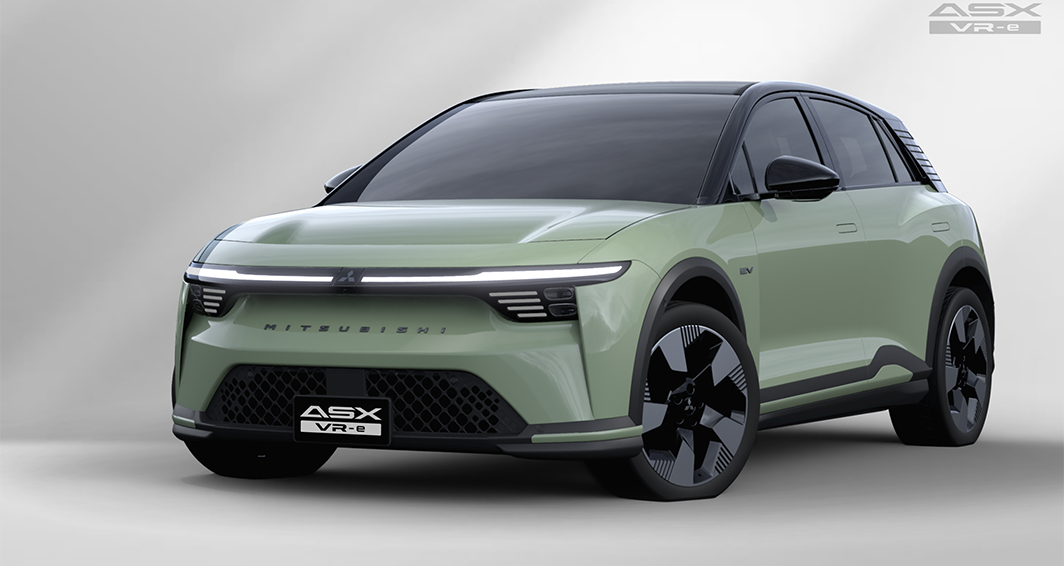
    Mitsubishi Motors New Zealand has officially confirmed that the all-electric ASX VR-e will arrive in the country in Q4 2026, adding another battery-electric vehicle to the brand’s expanding electrified lineup.

    The announcement comes as Mitsubishi continues to broaden its electrified offerings in New Zealand. The ASX VR-e will follow the upcoming Outlander Sport HEV, which is scheduled to arrive in New Zealand in Q3 2026 as Mitsubishi’s first hybrid-electric vehicle for that market.

    An All-Electric ASX

    The ASX name is already familiar to Mitsubishi customers in New Zealand, where the current model continues to form part of the brand’s lineup. MMNZ has previously described the ASX as an important model that will continue alongside the newer Outlander Sport.

    The new ASX VR-e takes that familiar nameplate in a different direction, moving it into the fully electric vehicle category.

    Mitsubishi Motors New Zealand has confirmed that the vehicle will be offered in four variants: LS, XLS, Exceed and GSR. However, the company has yet to announce pricing and full specification details, saying those will be revealed closer to its arrival.

    The ASX VR-e is part of a wider product rollout planned by Mitsubishi Motors New Zealand for 2026, which includes three new models as the brand expands its presence in electrified vehicles.

    Could We See It in the Philippines?

    Mitsubishi Motors New Zealand’s announcement is specifically for its market and does not mention the Philippines. There is currently no confirmation from Mitsubishi Motors Philippines that the ASX VR-e is being considered for local introduction.

    Still, the arrival of another electrified Mitsubishi model in a market within the region raises an interesting question about where the brand could take its electrification strategy next.

    Mitsubishi Motors Philippines already has experience with electrified vehicles through its local lineup, while Mitsubishi’s global strategy continues to expand beyond plug-in hybrids and into full battery-electric vehicles.

    Whether the ASX VR-e could eventually become part of that Philippine lineup, however, remains unanswered.

    For now, New Zealand will get the first opportunity to put Mitsubishi’s electric ASX on its roads, with the model scheduled to arrive in Q4 2026.

    Would an all-electric ASX make sense for the Philippine market?

  • Road Forecast: All-New Hyundai Avante Revealed: When Could the Next Elantra Arrive in the Philippines?

    Road Forecast: All-New Hyundai Avante Revealed: When Could the Next Elantra Arrive in the Philippines?

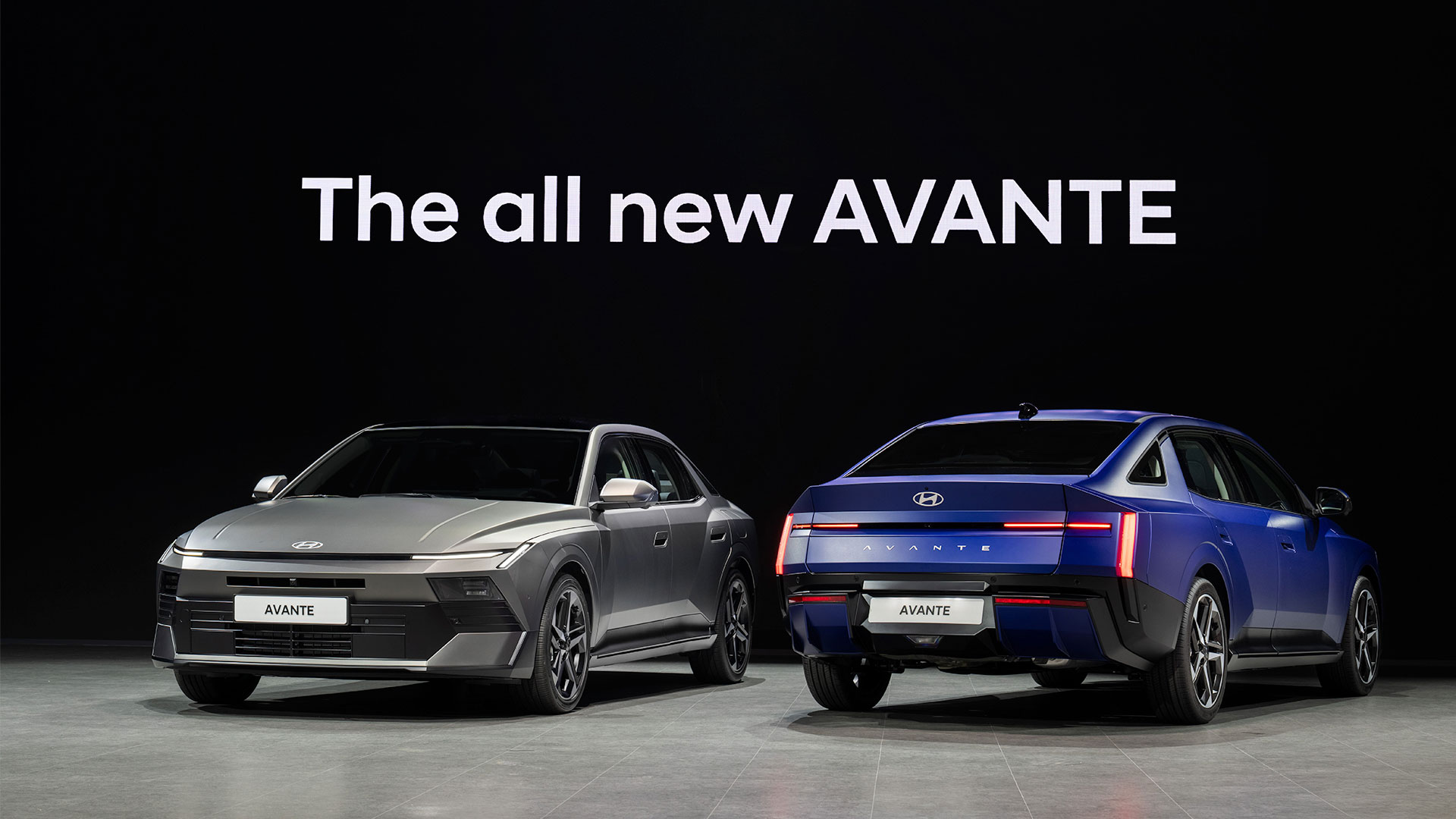
    Hyundai has revealed the all-new Avante in South Korea, giving us our first clear look at what could eventually become the next-generation Hyundai Elantra for global markets.

    For the Philippine market, this one matters more than it might seem and that is because the Elantra is already officially back in Hyundai Motor Philippines’ local lineup, offered with gasoline, hybrid, and N Line variants.

    So the question is:

    When could the all-new Avante eventually arrive here as the next-generation Hyundai Elantra?

    A new generation for Hyundai’s compact sedan

    The all-new Hyundai Avante made its debut in South Korea as the latest generation of Hyundai’s compact sedan. While final global-market details may still vary depending on region, the model already previews the next major step for the Elantra nameplate.

    The new Avante brings a redesigned exterior, a more digital cabin, updated safety technologies, and Hyundai’s newer direction in software and infotainment. Reports from Korea also point to a stronger focus on AI-assisted in-car technology, suggesting that Hyundai wants its compact sedan to feel more advanced, not just more stylish.

    Photo : Hyundai

    Eyes on Hyundai Motor Philippines

    The Philippine market has already received the current Hyundai Elantra, and its return gave Hyundai Motor Philippines a more complete sedan offering.

    Locally, the Elantra is not just a basic compact sedan. Hyundai Philippines offers it with multiple personalities: a more accessible gasoline version, hybrid variants for buyers who want better fuel efficiency, and an N Line variant for those who want a sportier-looking and more performance-oriented option and that gives the Elantra a wider role in the lineup.

    It can appeal to practical sedan buyers, fuel-conscious hybrid shoppers, and enthusiasts who want something sharper than the usual commuter car.

    Because of that, the arrival of the all-new Avante in Korea gives Filipino buyers an early preview of what could eventually replace the current local Elantra.

    Photo : Hyundai

    When could it arrive in the Philippines?

    For now, Hyundai Motor Philippines has not announced a local launch for the all-new Avante or next-generation Elantra.

    But based on typical regional product timing, a Philippine arrival around late 2027 would not be impossible.

    A Q3 or Q4 2027 window feels like a realistic Road Forecast estimate, especially if Hyundai rolls the model out first in South Korea, then other major markets, before eventually reaching Southeast Asian markets such as the Philippines.

    That timeline would also give the current Philippine-market Elantra enough time to settle locally before a next-generation model arrives.

    Still, this remains speculative. Hyundai Philippines may choose to bring it earlier, delay it depending on supply and market demand, or adjust the local lineup based on which variants make the most sense for Filipino buyers.

    Photo : Hyundai
    Photo : Hyundai

    The bigger challenge: sedans versus crossovers

    Even if the all-new Avante looks promising, the Philippine market is not as sedan-focused as it used to be.

    Crossovers and SUVs continue to dominate buyer attention, especially in the ₱1-million to ₱2-million price range. Buyers who used to consider compact sedans now often look at small crossovers, compact SUVs, or even seven-seat MPVs.

    That means the next Elantra will need to offer more than just good looks and it will need strong pricing, standout technology, good fuel efficiency, and enough premium appeal to convince buyers that a sedan can still be the smarter choice.

    The good news is that Hyundai already seems to understand this. The new Avante’s focus on design, digital features, safety, and advanced in-car technology could help it stand apart from more basic sedan offerings.

  • Road Forecast: Could the Honda City e:HEV Be Honda’s Next Hybrid Sedan for the Philippines?

    Road Forecast: Could the Honda City e:HEV Be Honda’s Next Hybrid Sedan for the Philippines?

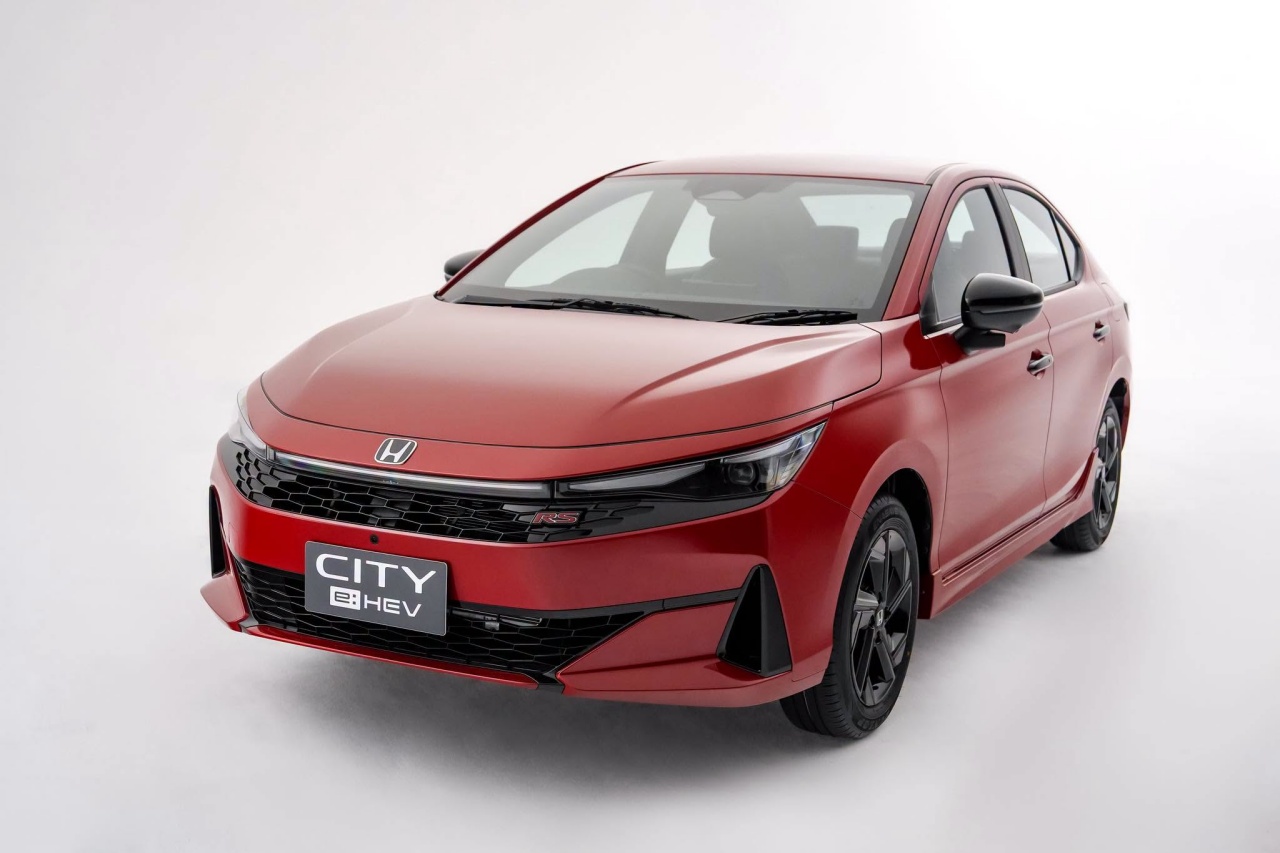
    The Honda City e:HEV is starting to look less like a distant possibility and more like a regional model worth watching. Earlier this year, Honda launched the updated 2026 City in India, where the refreshed sedan made its global debut with sharper styling, added features, and the continued availability of a strong-hybrid e:HEV variant. Now, Honda has also introduced the updated City in Thailand, and this is where things become more interesting for Southeast Asian buyers.

    Thailand is one of Honda’s key markets in the region, and when a model lands there, it often becomes a stronger signal that other Southeast Asian markets could eventually follow and that includes the Philippines.

    For now, Honda Cars Philippines has not confirmed the City e:HEV for our market. The local City lineup remains gasoline-only. But with the updated hybrid sedan now present in both India and Thailand, it is fair to ask:

    Could the Honda City e:HEV eventually reach Philippine showrooms, possibly by 2027?

    The City e:HEV is already moving across key markets

    The updated Honda City first appeared in India in May 2026, bringing a more comprehensive refresh to the familiar subcompact sedan. The Indian-market model continues to offer both gasoline and strong-hybrid powertrains, with the City e:HEV positioned as the top-spec hybrid variant.

    Thailand followed shortly after with its own updated City lineup. Unlike India, where the e:HEV is limited to the top grade, Thailand now gives the City a stronger hybrid push. The Thai lineup includes one gasoline variant and three e:HEV variants: e:HEV V, e:HEV SV, and e:HEV RS.

    It shows that Honda is not treating the City e:HEV as a one-market experiment. In Thailand, the hybrid powertrain is now a major part of the City’s identity and for the Philippines, that makes the question more interesting.

    Why Thailand matters to the Philippines

    The Philippine market often watches Thailand closely because many vehicles sold locally either come from Thailand or follow regional product planning influenced by Thailand’s automotive market.

    That does not automatically mean every Thai-market model will come here. But when a familiar Honda nameplate gets a major update in Thailand, especially with a powertrain that fits current market trends, it becomes a reasonable candidate for future Philippine consideration.

    The City is already a familiar name in the Philippines. It has long served as one of Honda’s most accessible sedans, appealing to buyers who want a practical but more refined alternative to more basic small cars.

    Adding e:HEV technology could give the City a new role in Honda Cars Philippines’ lineup.

    Instead of being just a gasoline subcompact sedan, it could become Honda’s most accessible hybrid model in the country.

    Why a City e:HEV could make sense here

    A Honda City e:HEV would arrive at a time when Filipino buyers are becoming more open to electrified vehicles.

    Full EV adoption is still limited by charging access, pricing, and long-term ownership concerns. But hybrids are easier to understand. They do not require charging, they work well in traffic, and they promise better fuel efficiency without asking the buyer to change their driving habits and that is where the City e:HEV could fit well.

    For everyday Philippine use, a hybrid sedan makes practical sense. City driving, stop-and-go traffic, fuel price concerns, and daily commuting are exactly the situations where a strong hybrid can feel relevant.

    Honda already sells e:HEV models locally through the Civic, HR-V, and CR-V. The problem is that these models sit in higher price brackets. A City e:HEV could bring Honda’s hybrid technology closer to buyers who want electrification but are not ready to spend nearly two million pesos or more and that could make it an important bridge model.

    Would Honda Philippines bring it in by 2027?

    For now, there is no official confirmation.

    But a 2027 Philippine arrival would not be impossible. The updated City has already appeared in India and Thailand, and Thailand’s launch is especially relevant because it places the City e:HEV within the Southeast Asian conversation.

    If Honda Cars Philippines wants to expand its hybrid lineup downward, the City e:HEV is one of the most logical candidates.

    It already has local nameplate recognition. It fits the market’s growing interest in fuel-efficient vehicles. It does not require charging infrastructure. And it could give Honda a stronger answer against the growing number of electrified options entering the Philippines.

    Still, until Honda Cars Philippines makes an official announcement, this remains a Road Forecast rather than a confirmed launch story. For now, the City e:HEV is not confirmed for the Philippines. But after India and Thailand, it is definitely worth watching.

  • Road Forecast: The Mitsubishi Pajero Is Coming Back — Here’s What We Know So Far

    Road Forecast: The Mitsubishi Pajero Is Coming Back — Here’s What We Know So Far

    Mitsubishi is reviving one of its most iconic SUV nameplates, but for now, details remain limited.

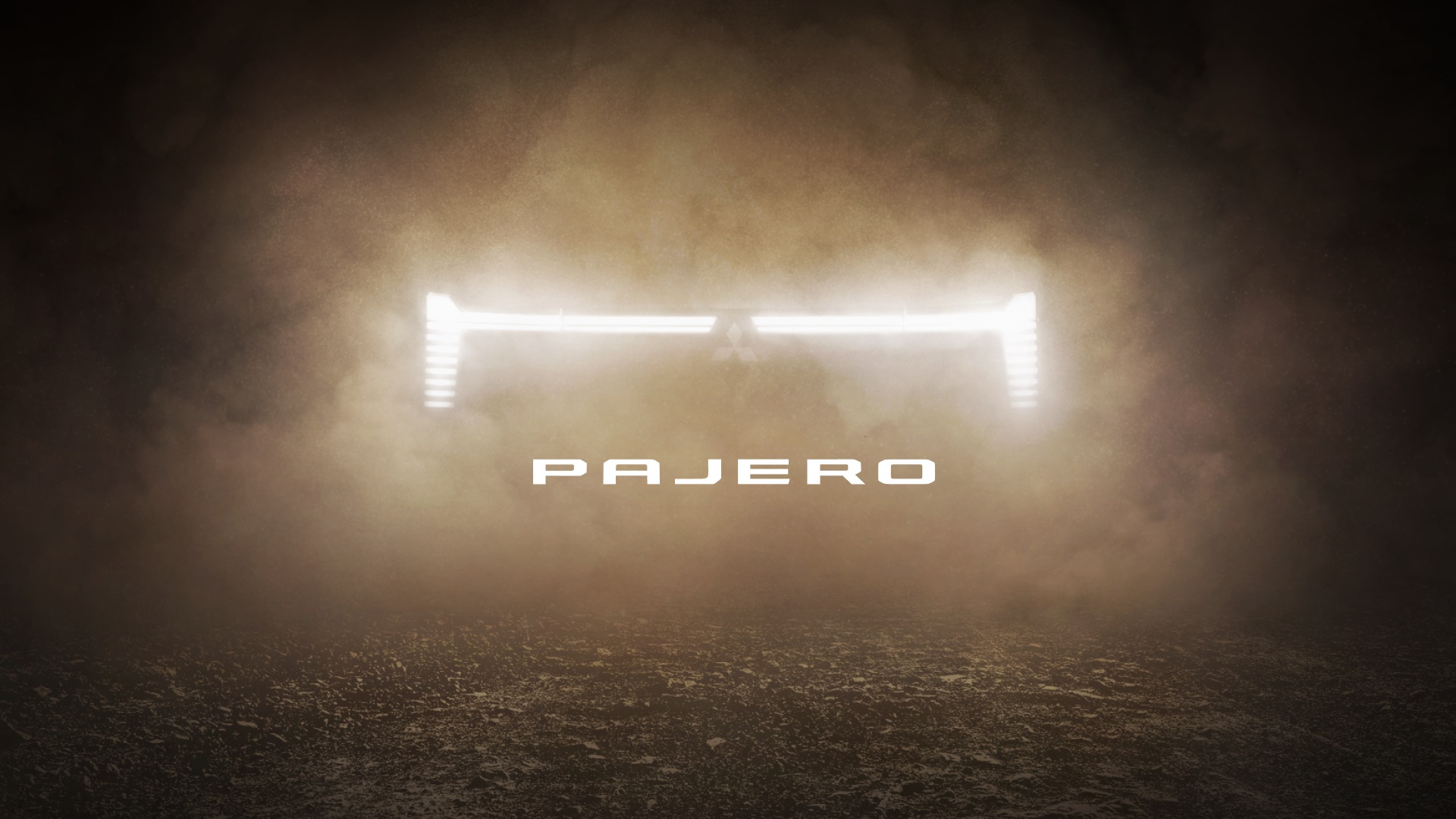
    Mitsubishi is officially bringing back the Pajero. The Japanese automaker has confirmed that its all-new cross-country SUV will carry the Pajero name and make its world premiere in autumn 2026. For longtime Mitsubishi fans, this is a major comeback. The Pajero was discontinued in overseas markets in 2021, making this its first return to the global market in five years.

    For now, Mitsubishi has only released a teaser image and a few key details. That means we still do not have the full exterior design, interior photos, engine lineup, variant details, pricing, or confirmation of Philippine availability.

    Still, even with limited information, the return of the Pajero is already worth paying attention to.

    Why the Pajero name still matters

    The Pajero is not just another Mitsubishi SUV. First launched in 1982, the Pajero became one of Mitsubishi’s most recognizable nameplates. It was designed to combine serious 4WD capability with the comfort of a passenger vehicle, helping shape the SUV formula long before SUVs became the default family vehicle choice.

    Photo : Mitsubishi Motors

    Across four generations, Mitsubishi says the Pajero sold more than 3.25 million units in over 170 countries and regions.

    Photo : Mitsubishi Motors

    Its reputation was also built through motorsport. The Pajero competed in the Dakar Rally beginning in 1983 and went on to secure 12 victories, including seven consecutive wins. That helped establish the Pajero as a symbol of Mitsubishi’s off-road capability, durability, and rally-proven engineering.

    Photo : Mitsubishi Motors
    Photo : Mitsubishi Motors

    For many Mitsubishi fans, especially those who grew up seeing Pajeros on Philippine roads, the name still carries a sense of toughness, prestige, and adventure.

    Built on the Triton platform

    One of the biggest confirmed details is that the all-new Pajero will be based on the ladder frame of the Triton pickup.

    That is important because it suggests Mitsubishi is keeping the Pajero closer to its rugged SUV roots rather than turning it into a soft crossover.

    Photo : Mitsubishi Triton | Mitsubishi Motors

    Mitsubishi also says the Pajero will receive model-specific development for the cabin, front suspension, and rear suspension. In simple terms, it should not just be a Triton with an SUV body. The goal appears to be a proper flagship SUV that can deliver off-road capability while still offering a more refined and comfortable ride.

    That balance will be key.

    If the Pajero is coming back, it needs to feel tough enough to honor the name, but modern enough to compete in today’s SUV market.

    What this could mean for the Philippines

    Mitsubishi has not yet confirmed if the all-new Pajero will be sold in the Philippines.

    Photo : Mitsubishi Motors

    But if it does arrive locally, it would likely sit above the Montero Sport as Mitsubishi’s more premium and more adventure-focused SUV. The Montero Sport already covers the midsize SUV space, while the Pajero name could give Mitsubishi a stronger flagship offering for buyers who want something more rugged, more iconic, and more aspirational.

    The challenge will be pricing. A Triton-based flagship SUV with modern comfort and off-road hardware will likely not be cheap. If it comes to the Philippines, it may have to compete against large SUVs, premium crossovers, and other ladder-frame models already familiar to Filipino buyers.

    But the Pajero has one advantage many new SUVs do not: heritage.

    For the right buyer, that still matters.

    Photo : Mitsubishi Motors

    What we still do not know

    At this stage, Mitsubishi has not revealed:

    • Final exterior design
    • Interior layout
    • Engine options
    • Transmission
    • 4WD system
    • Safety features
    • Technology package
    • Dimensions
    • Global launch markets
    • Philippine launch confirmation
    • Local pricing

    So while the Pajero comeback is exciting, it is still too early to make firm conclusions.

    For now, this is a teaser — not a full reveal.

    The return of the Mitsubishi Pajero is exciting because it brings back one of the brand’s most respected SUV names.

    The confirmed Triton-based ladder frame gives us hope that Mitsubishi is taking the comeback seriously. This does not sound like a badge slapped onto a regular crossover. It sounds like Mitsubishi wants the Pajero to return as a proper cross-country SUV and a new flagship model.

    But until the full reveal happens, there is still a lot we do not know.

    Photo : 4th-Gen Mitsubishi Pajero (BK) | Mitsubishi Motors

    For Filipino Mitsubishi fans, the big question is simple: Will the all-new Pajero make it to the Philippines?

    If it does, it could give Mitsubishi a much-needed flagship SUV with real history behind it. Until then, all eyes are on the world premiere this autumn 2026.

    Check out Mitsubishi’s special website for the all-new Pajero here.

  • Road Forecast: Mitsubishi Outlander PHEV Could Finally Be Heading to the Philippines This August 2026

    Road Forecast: Mitsubishi Outlander PHEV Could Finally Be Heading to the Philippines This August 2026

    The Mitsubishi Outlander PHEV is no stranger to the Philippine market. Enthusiasts may remember that previous generations briefly made their way to local shores, offering a glimpse of Mitsubishi’s electrified future long before EVs became a mainstream conversation.

    Now, it appears the Outlander PHEV is preparing for a comeback.

    During the recently concluded Philippine International Motor Show (PIMS) 2026, Mitsubishi Motors Philippines Corporation (MMPC) previewed the latest-generation Outlander PHEV, giving visitors a closer look at what could become one of the brand’s most technologically advanced vehicles to date. More importantly, MMPC has already hinted that the model is expected to officially arrive in local showrooms as early as August 2026.

    A Familiar Name, But an Entirely New Vehicle

    While the Outlander nameplate has been around for years, the latest model is a completely different proposition from its predecessors.

    Built on the alliance platform shared with Nissan and Renault, the current-generation Outlander adopts a more premium approach than previous Mitsubishi SUVs. The exterior carries the brand’s latest Dynamic Shield design language, with a bold front fascia, muscular proportions, and a more upscale appearance intended to compete with higher-end crossovers.

    The version previewed at PIMS appears to be the refreshed Outlander PHEV, which recently received updates in several international markets.

    Photo : Mitsubishi Motors

    Plug-In Hybrid Power

    Perhaps the biggest reason to pay attention to the Outlander PHEV is what’s underneath.

    In overseas markets, the latest Outlander PHEV combines a 2.4-liter gasoline engine with dual electric motors and a larger 22.7 kWh battery pack. The updated system produces up to 306 horsepower in some markets, making it significantly more powerful than previous versions.

    The larger battery also improves electric-only driving capability. Depending on the market and testing standard used, the Outlander PHEV can travel approximately 80 kilometers or more on battery power alone before the gasoline engine needs to assist.

    For Metro Manila commuters, that could potentially mean completing several days of driving without consuming a drop of fuel, provided regular charging is available.

    Photo : Mitsubishi Motors

    A More Premium Cabin Than You Might Expect

    One area where the new Outlander PHEV makes a significant leap forward is interior quality.

    Unlike Mitsubishi vehicles of the past that focused primarily on durability and practicality, the latest Outlander adopts a much more premium approach. International versions feature quilted leather upholstery, a fully digital instrument cluster, a large infotainment display, wireless smartphone connectivity, and a redesigned center console with improved storage solutions.

    The latest refresh also introduces a Yamaha-developed premium sound system in some markets, while additional sound insulation has reportedly been added to create a quieter and more refined cabin experience.

    Photo : Mitsubishi Motors

    What Features Could the Philippine Model Get?

    While MMPC has already previewed the vehicle, full local specifications have yet to be announced. Based on what global markets currently receive, Filipino buyers could reasonably expect:

    • Super All-Wheel Control (S-AWC) all-wheel drive
    • Multiple EV and hybrid driving modes
    • Advanced driver assistance systems
    • Wireless Apple CarPlay and Android Auto
    • 360-degree camera system
    • Digital instrument cluster
    • Premium leather upholstery
    • Power tailgate

    However, Mitsubishi may choose to adjust the final equipment list depending on pricing and market positioning. Some premium features available overseas could be reserved for higher-spec variants or omitted entirely.

    Photo : Mitsubishi Motors

    How Much Will It Cost?

    If there’s one question that could determine the Outlander PHEV’s success in the Philippines, it’s pricing.

    Globally, the Outlander PHEV has positioned itself as a premium electrified SUV, offering technology and performance that often exceed traditional hybrid crossovers. That raises an intriguing question for the Philippine market.

    Will Mitsubishi Philippines price it aggressively enough to attract buyers looking to make the transition toward electrified mobility? Or will it sit closer to premium crossover territory, limiting its appeal to a smaller audience?

    With an official launch reportedly expected as early as August 2026, we may not have to wait much longer for answers. Until then, the Outlander PHEV remains one of the most interesting vehicles on Mitsubishi Motors Philippines’ horizon—and perhaps one of the most important electrified launches the brand has undertaken in years.

    Photo : Mitsubishi Motors
    Photo : Mitsubishi Motors
  • Road Forecast: Nissan Primera Coming to the Philippines – Here’s What We Could Expect Based on the Nissan N7

    Road Forecast: Nissan Primera Coming to the Philippines – Here’s What We Could Expect Based on the Nissan N7

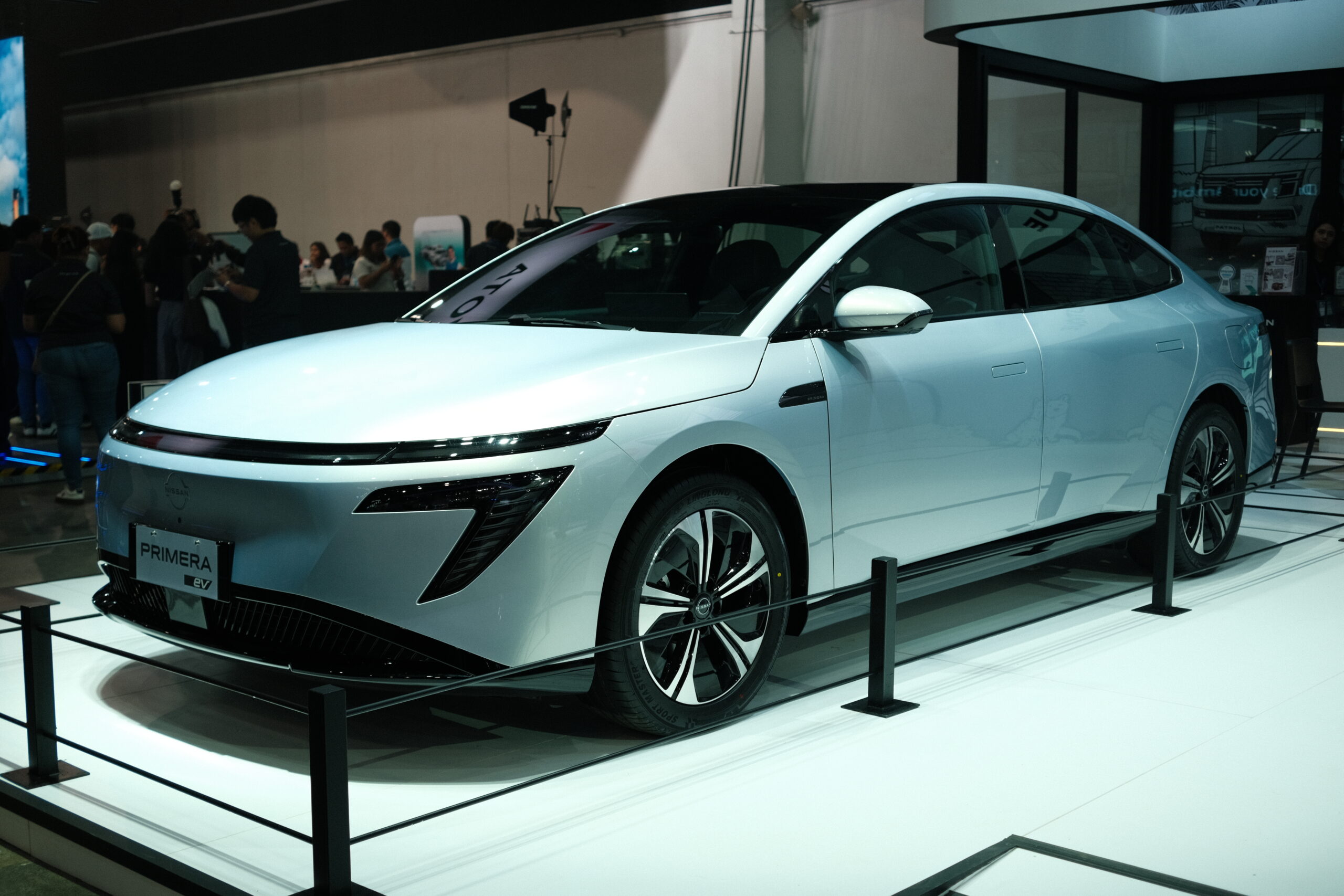
    The Nissan Primera is officially making a comeback in the Philippines. Nissan Philippines pulled the wraps off the revived nameplate during the Philippine International Motor Show (PIMS) 2026, giving local enthusiasts their first glimpse of what could become the brand’s next-generation electric sedan.

    While Nissan has yet to disclose full Philippine specifications, all signs point to the new Primera being based on the Nissan N7 sold in China. And if that vehicle is any indication, Filipino buyers may soon be looking at a sleek electric sedan packed with cutting-edge technology, impressive range figures, and a level of sophistication rarely associated with previous generations of the Primera.

    A Modern Interpretation of the Sedan

    The Nissan N7 is a midsize electric sedan measuring approximately 4,930 mm long, 1,895 mm wide, and 1,484 mm tall, giving it a footprint comparable to larger executive sedans rather than traditional compact four-doors. Its sleek silhouette is designed with aerodynamics in mind, boasting an impressively low drag coefficient of 0.208.

    Unlike the crossovers and SUVs that currently dominate local showrooms, the N7 embraces the traditional sedan formula while incorporating modern EV proportions. The result is a vehicle that looks considerably more premium than many would expect from a mainstream Nissan sedan.

    Photo : Kevin Peters / Road Spec PH
    Photo : Kevin Peters / Road Spec PH

    Technology Takes Center Stage

    One of the N7’s biggest highlights is its technology package.

    In China, the cabin is dominated by a large 15.6-inch 2.5K touchscreen running Nissan OS. Depending on the variant, the system is powered by either a Snapdragon 8155 or the more powerful Snapdragon 8295P chipset. Higher-end models also feature advanced driver assistance systems developed in partnership with autonomous driving specialist Momenta.

    Should the vehicle arrive in the Philippines as the Nissan Primera, we expect Nissan Philippines to retain the large infotainment display and most of the digital cabin experience. However, some of the more advanced autonomous functions may be revised or simplified depending on local regulations and market positioning.

    Photo : Nissan

    A Cabin Designed Around Comfort

    Beyond the large touchscreen and digital features, the Nissan N7 places significant emphasis on passenger comfort. One of the sedan’s standout features in China is its so-called “AI Zero-Pressure” seating system, designed to reduce fatigue during long drives and daily commuting. This is especially important for drivers and passengers in Philippine roads with a not-so comfortable driving experience.

    If the Philippine-market Primera inherits these comfort-focused features, it could become one of the most sophisticated cabins Nissan has ever offered locally. Whether Nissan Philippines chooses to retain the full suite of seat technology or reserve it for higher variants remains to be seen, but it would undoubtedly add another layer of appeal to an already technology-packed EV sedan.

    Photo : Nissan

    Battery and Performance

    The Chinese-market N7 is offered with two battery configurations.

    The entry-level variant utilizes a 58 kWh lithium iron phosphate (LFP) battery paired with a front-mounted electric motor producing 160 kW, or approximately 215 horsepower. Higher-spec models receive a larger 73 kWh battery and a more powerful 200 kW motor generating around 268 horsepower.

    Range figures are particularly impressive. Depending on battery size and specification, the N7 is rated for between 510 and 635 kilometers under the CLTC testing cycle. While real-world Philippine driving conditions would likely result in lower numbers, even a conservative estimate suggests that the N7 could comfortably handle several days of Metro Manila commuting on a single charge.

    Fast charging is another strong point. Reports indicate that the larger battery variant can charge from 30 to 80 percent in as little as 14 minutes under ideal DC fast-charging conditions.

    Photo : Nissan

    Could the Philippine Model Be Different?

    While the Chinese-market N7 provides a strong indication of what Nissan’s upcoming EV sedan is capable of, it is unlikely that every specification will be carried over unchanged.

    If the vehicle indeed arrives as the Nissan Primera, Nissan Philippines could potentially:

    • Simplify the trim lineup
    • Offer only the larger battery variant
    • Adjust ADAS features for local requirements
    • Revise charging hardware specifications
    • Reposition the vehicle as a premium mainstream EV sedan

    There is also the possibility that Nissan could tailor suspension tuning, software calibration, and feature packaging specifically for Southeast Asian markets.

    Photo : Nissan
    Photo : Nissan

    The Biggest Question: Pricing

    Perhaps the most intriguing aspect of the rumored Nissan Primera isn’t its technology, performance, or design.

    It’s the price.

    The N7 has been positioned aggressively in China, offering impressive specifications for its segment. However, Philippine pricing will ultimately depend on import costs, taxation, battery specifications, and Nissan Philippines’ intended market position.

    Will Nissan price it as an attainable alternative to premium EV sedans? Or will it sit closer to established executive electric vehicles?

    At this point, we’re simply speculating.

    For now, we’ll be watching closely at Nissan Philippines’ electrifying launch of one of its most recognizable sedan nameplates.