Tag: Hybrid

  • Road Forecast: All-New Hyundai Avante Revealed: When Could the Next Elantra Arrive in the Philippines?

    Road Forecast: All-New Hyundai Avante Revealed: When Could the Next Elantra Arrive in the Philippines?

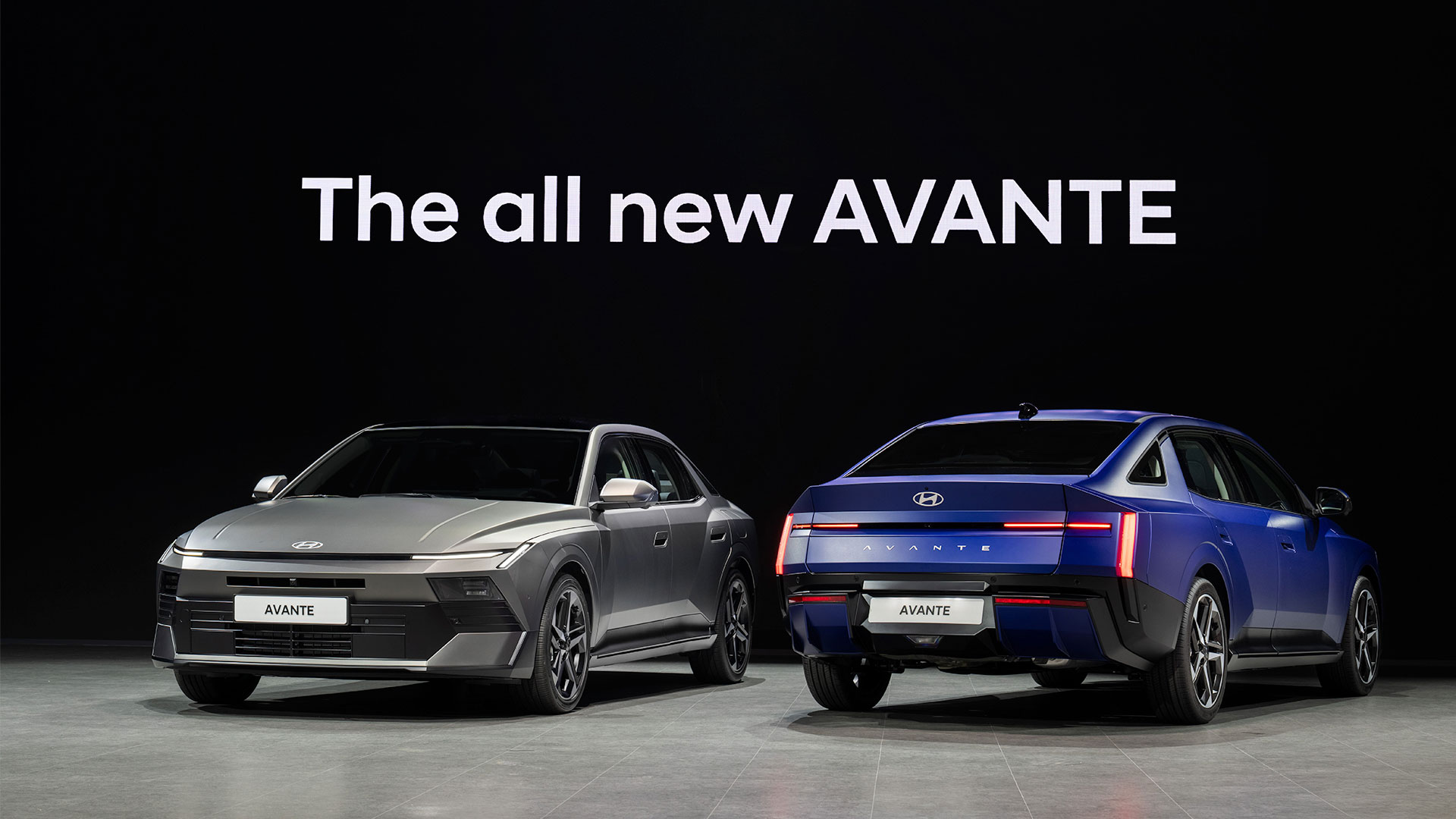
    Hyundai has revealed the all-new Avante in South Korea, giving us our first clear look at what could eventually become the next-generation Hyundai Elantra for global markets.

    For the Philippine market, this one matters more than it might seem and that is because the Elantra is already officially back in Hyundai Motor Philippines’ local lineup, offered with gasoline, hybrid, and N Line variants.

    So the question is:

    When could the all-new Avante eventually arrive here as the next-generation Hyundai Elantra?

    A new generation for Hyundai’s compact sedan

    The all-new Hyundai Avante made its debut in South Korea as the latest generation of Hyundai’s compact sedan. While final global-market details may still vary depending on region, the model already previews the next major step for the Elantra nameplate.

    The new Avante brings a redesigned exterior, a more digital cabin, updated safety technologies, and Hyundai’s newer direction in software and infotainment. Reports from Korea also point to a stronger focus on AI-assisted in-car technology, suggesting that Hyundai wants its compact sedan to feel more advanced, not just more stylish.

    Photo : Hyundai

    Eyes on Hyundai Motor Philippines

    The Philippine market has already received the current Hyundai Elantra, and its return gave Hyundai Motor Philippines a more complete sedan offering.

    Locally, the Elantra is not just a basic compact sedan. Hyundai Philippines offers it with multiple personalities: a more accessible gasoline version, hybrid variants for buyers who want better fuel efficiency, and an N Line variant for those who want a sportier-looking and more performance-oriented option and that gives the Elantra a wider role in the lineup.

    It can appeal to practical sedan buyers, fuel-conscious hybrid shoppers, and enthusiasts who want something sharper than the usual commuter car.

    Because of that, the arrival of the all-new Avante in Korea gives Filipino buyers an early preview of what could eventually replace the current local Elantra.

    Photo : Hyundai

    When could it arrive in the Philippines?

    For now, Hyundai Motor Philippines has not announced a local launch for the all-new Avante or next-generation Elantra.

    But based on typical regional product timing, a Philippine arrival around late 2027 would not be impossible.

    A Q3 or Q4 2027 window feels like a realistic Road Forecast estimate, especially if Hyundai rolls the model out first in South Korea, then other major markets, before eventually reaching Southeast Asian markets such as the Philippines.

    That timeline would also give the current Philippine-market Elantra enough time to settle locally before a next-generation model arrives.

    Still, this remains speculative. Hyundai Philippines may choose to bring it earlier, delay it depending on supply and market demand, or adjust the local lineup based on which variants make the most sense for Filipino buyers.

    Photo : Hyundai
    Photo : Hyundai

    The bigger challenge: sedans versus crossovers

    Even if the all-new Avante looks promising, the Philippine market is not as sedan-focused as it used to be.

    Crossovers and SUVs continue to dominate buyer attention, especially in the ₱1-million to ₱2-million price range. Buyers who used to consider compact sedans now often look at small crossovers, compact SUVs, or even seven-seat MPVs.

    That means the next Elantra will need to offer more than just good looks and it will need strong pricing, standout technology, good fuel efficiency, and enough premium appeal to convince buyers that a sedan can still be the smarter choice.

    The good news is that Hyundai already seems to understand this. The new Avante’s focus on design, digital features, safety, and advanced in-car technology could help it stand apart from more basic sedan offerings.

  • Road Forecast: Could the Honda City e:HEV Be Honda’s Next Hybrid Sedan for the Philippines?

    Road Forecast: Could the Honda City e:HEV Be Honda’s Next Hybrid Sedan for the Philippines?

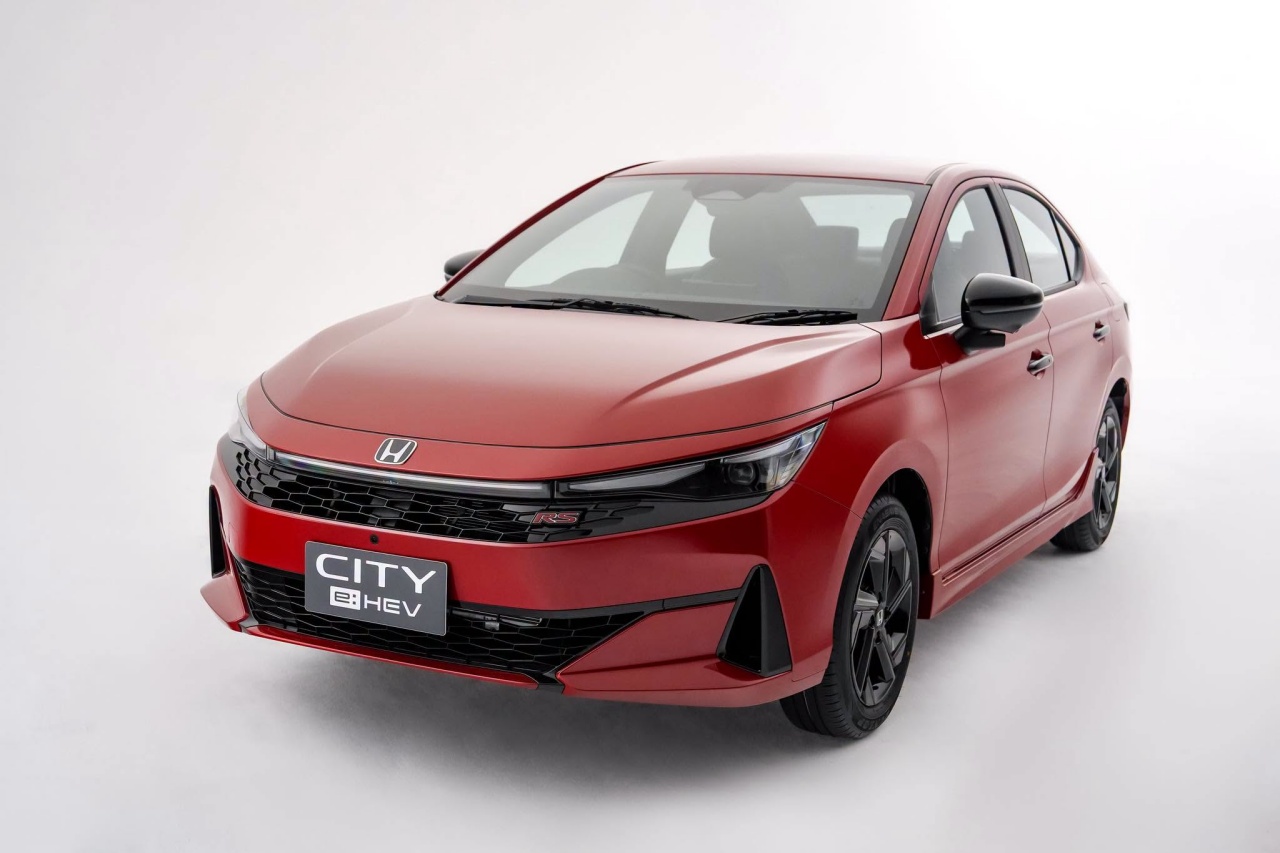
    The Honda City e:HEV is starting to look less like a distant possibility and more like a regional model worth watching. Earlier this year, Honda launched the updated 2026 City in India, where the refreshed sedan made its global debut with sharper styling, added features, and the continued availability of a strong-hybrid e:HEV variant. Now, Honda has also introduced the updated City in Thailand, and this is where things become more interesting for Southeast Asian buyers.

    Thailand is one of Honda’s key markets in the region, and when a model lands there, it often becomes a stronger signal that other Southeast Asian markets could eventually follow and that includes the Philippines.

    For now, Honda Cars Philippines has not confirmed the City e:HEV for our market. The local City lineup remains gasoline-only. But with the updated hybrid sedan now present in both India and Thailand, it is fair to ask:

    Could the Honda City e:HEV eventually reach Philippine showrooms, possibly by 2027?

    The City e:HEV is already moving across key markets

    The updated Honda City first appeared in India in May 2026, bringing a more comprehensive refresh to the familiar subcompact sedan. The Indian-market model continues to offer both gasoline and strong-hybrid powertrains, with the City e:HEV positioned as the top-spec hybrid variant.

    Thailand followed shortly after with its own updated City lineup. Unlike India, where the e:HEV is limited to the top grade, Thailand now gives the City a stronger hybrid push. The Thai lineup includes one gasoline variant and three e:HEV variants: e:HEV V, e:HEV SV, and e:HEV RS.

    It shows that Honda is not treating the City e:HEV as a one-market experiment. In Thailand, the hybrid powertrain is now a major part of the City’s identity and for the Philippines, that makes the question more interesting.

    Why Thailand matters to the Philippines

    The Philippine market often watches Thailand closely because many vehicles sold locally either come from Thailand or follow regional product planning influenced by Thailand’s automotive market.

    That does not automatically mean every Thai-market model will come here. But when a familiar Honda nameplate gets a major update in Thailand, especially with a powertrain that fits current market trends, it becomes a reasonable candidate for future Philippine consideration.

    The City is already a familiar name in the Philippines. It has long served as one of Honda’s most accessible sedans, appealing to buyers who want a practical but more refined alternative to more basic small cars.

    Adding e:HEV technology could give the City a new role in Honda Cars Philippines’ lineup.

    Instead of being just a gasoline subcompact sedan, it could become Honda’s most accessible hybrid model in the country.

    Why a City e:HEV could make sense here

    A Honda City e:HEV would arrive at a time when Filipino buyers are becoming more open to electrified vehicles.

    Full EV adoption is still limited by charging access, pricing, and long-term ownership concerns. But hybrids are easier to understand. They do not require charging, they work well in traffic, and they promise better fuel efficiency without asking the buyer to change their driving habits and that is where the City e:HEV could fit well.

    For everyday Philippine use, a hybrid sedan makes practical sense. City driving, stop-and-go traffic, fuel price concerns, and daily commuting are exactly the situations where a strong hybrid can feel relevant.

    Honda already sells e:HEV models locally through the Civic, HR-V, and CR-V. The problem is that these models sit in higher price brackets. A City e:HEV could bring Honda’s hybrid technology closer to buyers who want electrification but are not ready to spend nearly two million pesos or more and that could make it an important bridge model.

    Would Honda Philippines bring it in by 2027?

    For now, there is no official confirmation.

    But a 2027 Philippine arrival would not be impossible. The updated City has already appeared in India and Thailand, and Thailand’s launch is especially relevant because it places the City e:HEV within the Southeast Asian conversation.

    If Honda Cars Philippines wants to expand its hybrid lineup downward, the City e:HEV is one of the most logical candidates.

    It already has local nameplate recognition. It fits the market’s growing interest in fuel-efficient vehicles. It does not require charging infrastructure. And it could give Honda a stronger answer against the growing number of electrified options entering the Philippines.

    Still, until Honda Cars Philippines makes an official announcement, this remains a Road Forecast rather than a confirmed launch story. For now, the City e:HEV is not confirmed for the Philippines. But after India and Thailand, it is definitely worth watching.

  • Why Filipino Car Buyers Are Finally Warming Up to Hybrids and EVs

    From Fuel Anxiety to Electric Curiosity: Why Hybrids and EVs Are Winning Over Filipino Buyers

    After years of hesitation, Filipino buyers are starting to see electrified vehicles as practical choices shaped by rising fuel costs, stronger brand support, and a market finally ready for change.

    Not too long ago, the idea of seeing more hybrids and electric vehicles on Philippine roads felt more like a future forecast than a present reality. For many Filipino car buyers, the traditional formula was simple: buy a gasoline or diesel vehicle, maintain it properly, and once the warranty ends, have it serviced outside the casa to save on labor and parts. It was practical, familiar, and for decades, it worked. But the market is changing.

    Today, hybrids and EVs are no longer just display units at motor shows or niche vehicles reserved for early adopters. They are now part of real buying conversations. More Filipino buyers are asking about fuel savings, battery warranties, charging options, hybrid systems, and whether it still makes sense to buy a purely internal-combustion vehicle in a market where electrified choices are growing quickly.

    The bigger question is no longer whether hybrids and EVs will arrive, because they’re already here. The real question is: why are Filipino car buyers finally starting to lean toward them?

    Photo : BYD Sealion 7 | BYD Cars Philippines
    Photo : Toyota Corolla Cross Hybrid | Toyota Motor Philippines
    Photo : Honda CR-V RS e:HEV | Honda Cars Philippines

    From invisible to impossible to ignore

    From my own perspective, the shift feels dramatic.

    During my time with Mitsubishi from 2017 to 2023, the EV market in the Philippines was almost invisible from a mainstream consumer standpoint. Electrified vehicles existed, but they were not yet part of the everyday buyer conversation.

    Mitsubishi had the Outlander PHEV, which in many ways was ahead of its time locally. It showed that the technology was already possible. But the market around it was not ready yet.

    Charging infrastructure was limited. Buyer awareness was low. Most Filipinos were still deeply comfortable with gasoline and diesel vehicles. And for many customers, the idea of paying a premium for a plug-in hybrid did not make immediate practical sense.

    At the same time, there was still a strong stigma around China-made vehicles. For a long period, many Filipino buyers associated Chinese cars with being cheap, unproven, or risky. That perception was difficult to break, especially in a market where Japanese brands built decades of trust through reliability, resale value, and strong aftersales support.

    So even if electrified technology was already entering the conversation, the local market was not yet fully listening.

    Back then, the Outlander PHEV felt more like a preview of what could happen someday rather than a product that would immediately reshape the market. That “someday” now feels much closer.

    Photo : Hyundai Tucson Hybrid | Hyundai Motor Philippines

    Hyundai showed that the technology had arrived

    When I moved to Hyundai, the shift became more obvious.

    The arrival of models like the IONIQ 5 and IONIQ 6 showed that EVs were no longer awkward, experimental, or overly compromised. These were proper modern vehicles with strong design, advanced platforms, impressive technology, and a different kind of driving experience.

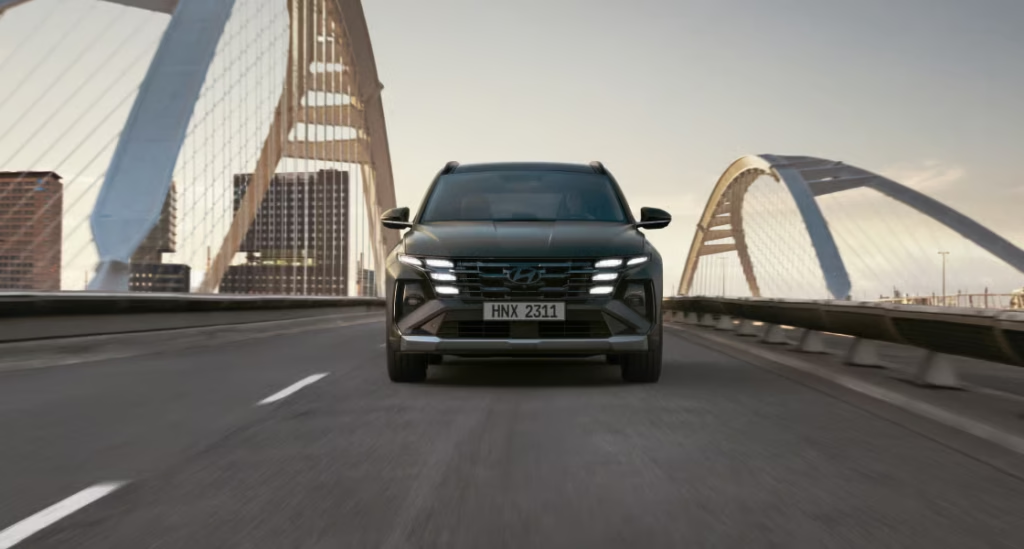
    Hyundai’s electrified lineup also helped show that the transition would not be purely electric right away. Hybrid models such as the Tucson Hybrid and Santa Fe Hybrid made the technology feel more familiar to buyers who were not yet ready to fully depend on charging infrastructure and that matters most, specially for Filipino car buyers.

    A full EV asks buyers to change more than just the vehicle, it asks them to think about:


    • Where they park,
    • Where they charge,
    • How far they drive,
    • Whether they can install a home charger, and
    • How comfortable they are with public charging availability

    A hybrid, on the other hand, feels like a safer first step.

    You still fuel it like a normal vehicle. You still drive it like a normal vehicle. But you get better efficiency, smoother low-speed driving, and a taste of electrified motoring without needing to plan your life around a charger.

    That is why hybrids may end up being the real bridge technology for many Filipino buyers.

    Fuel prices changed the conversation

    For years, Filipino buyers would talk about fuel economy, but many still prioritized price, brand reputation, resale value, and familiarity. A fuel-efficient engine was nice to have, but it was not always enough to make buyers shift to a new type of powertrain.

    Then fuel prices became harder to ignore.

    When gasoline and diesel prices rise, the cost of ownership becomes more visible. Suddenly, the monthly fuel bill matters more. Daily commutes feel more expensive. Long drives require more planning. Even buyers who once dismissed hybrids start asking if the higher purchase price can be justified by lower running costs and this is where hybrids found their opening.

    A hybrid does not need to convince a buyer to fully abandon the gas station. It only needs to show that a vehicle can consume less fuel while still fitting into the lifestyle they already know.

    For a market like the Philippines, that is a powerful argument. It gives buyers a sense of progress without requiring a complete leap of faith.

    Photo : BYD Cars Philippines

    The BYD effect

    One of the biggest reasons the local electrified market feels different today is the aggressive rise of BYD.

    BYD did not enter the conversation quietly. It pushed into the market with strong pricing, a growing lineup, visible marketing, and products that made people rethink what a Chinese electrified vehicle could be.

    That matters because BYD did more than sell cars. It helped change perception.

    A few years ago, many Filipino buyers were hesitant about China-made vehicles. Today, people are actively considering BYD models, asking about DM-i technology, comparing them against Japanese and Korean rivals, and treating them as serious options and that shift is huge.


    BYD’s momentum also indirectly helped other Chinese and Asian brands gain attention. When one brand successfully changes the conversation, it creates more space for others. Suddenly, buyers become more open to considering GAC, BAIC, Omoda & Jaecoo, Geely, MG, Chery, and even VinFast from Vietnam.

    Not all of these brands will win equally. Some will need to prove their long-term reliability, parts availability, resale value, and service experience. But the door has already been opened.

    For Filipino buyers who want more choices, that is good news.

    More competition means better pricing pressure, more features, better warranty coverage, stronger dealer support, and faster technology adoption.

    The Japanese brands still have a major advantage

    Even with the rise of Chinese electrified vehicles, the Japanese brands still hold a powerful advantage in the Philippines: trust.

    Toyota, in particular, has made hybrid technology feel approachable. Its hybrid models do not require plugging in, which removes one of the biggest psychological barriers for Filipino buyers. You get electrified driving without needing to think about charging stations and that simplicity matters.

    Toyota’s hybrid strategy fits the Philippine market well because it does not force the buyer to jump straight into full EV ownership. It presents electrification as an upgrade to the familiar ownership experience rather than a complete lifestyle change.

    Nissan also has a unique opportunity with e-POWER. The idea of an electric-driven vehicle with a gasoline engine acting as a generator is interesting because it gives drivers the feel of electric propulsion without the charging dependency of a full EV.

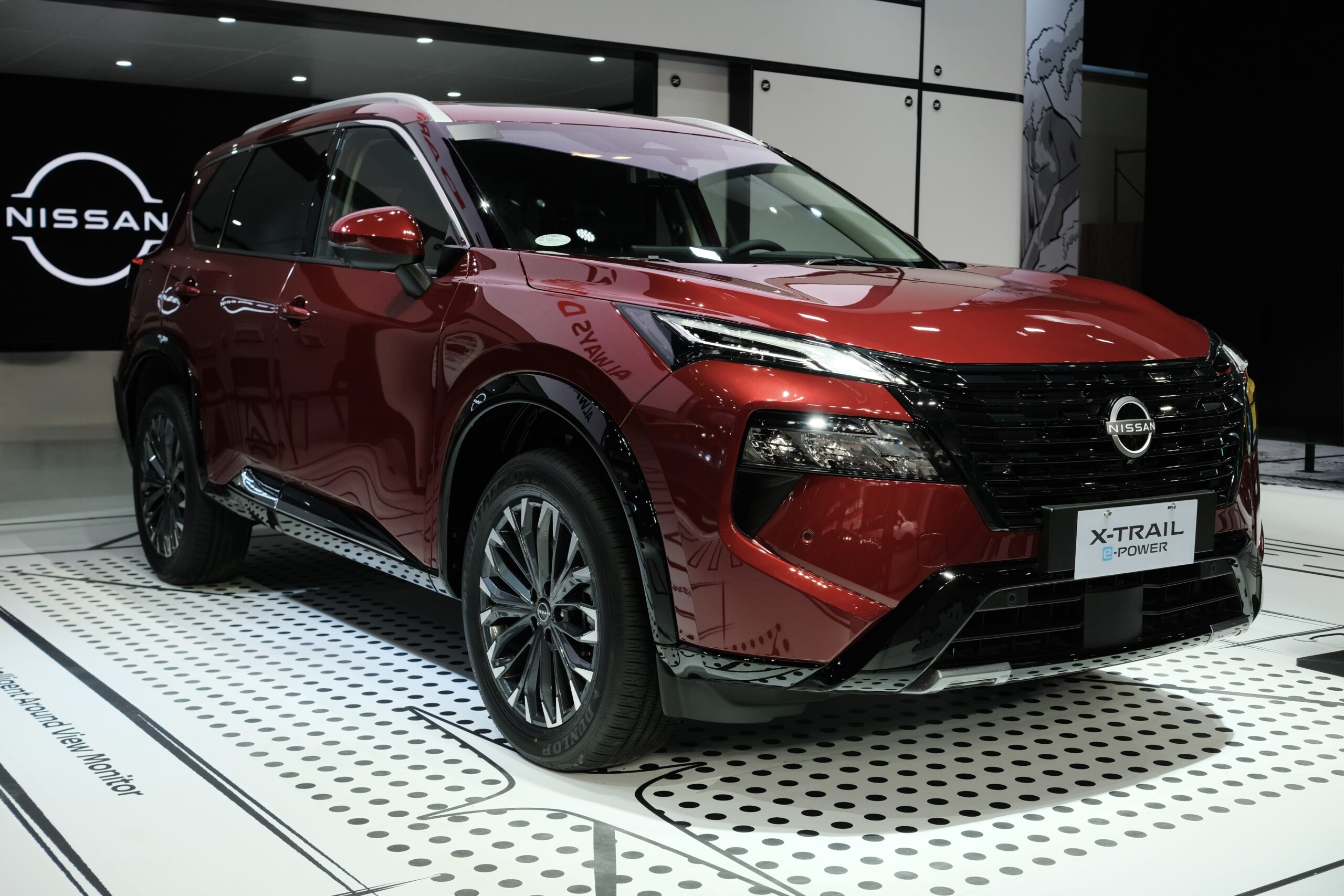
    That is one reason the new Nissan X-Trail e-POWER is personally interesting to me. As someone who still enjoys driving a manual gasoline car, I can understand the appeal of a traditional ICE vehicle. But I can also see why a smooth, efficient electrified SUV would be tempting for daily use.

    The hybrid route simply makes sense for where the Philippine market is right now.

    CAMPI-TMA’s Top 10 brands (as of April 2026)are as follows:

    Brand

    Sales volume

    1

    Toyota

    66,206

    2

    Mitsubishi

    24,371

    3

    Suzuki

    6,289

    4

    Nissan

    5,323

    5

    Ford

    4,877

    BYD sits between Mitsubishi Motors Philippines (MMPC) which sold 24,371 vehicles, and Suzuki Philippines (SPH),which delivered 6,289 units to customers.

    Aftersales support may become the real battleground

    There is one part of the hybrid and EV conversation that I think deserves more attention: aftersales.

    For decades, many Filipino owners followed the same ownership pattern. Keep the car serviced at the casa during the warranty period, then move to trusted third-party shops once the warranty ends. This is especially common because outside labor is usually cheaper, parts can be sourced more flexibly, and independent mechanics are familiar with traditional gasoline and diesel vehicles.

    That formula is one of the reasons ICE ownership feels so practical in the Philippines. But hybrids and EVs may change that.

    With electrified vehicles, the technology is more specialized. High-voltage batteries, electric motors, inverters, control modules, regenerative braking systems, and proprietary software are not things every neighborhood repair shop can immediately handle.

    This creates a very different aftersales landscape.

    For brands selling hybrids and EVs, this could be a major advantage. Buyers may be more likely to return to authorized dealerships for service, especially if they are concerned about battery systems, warranty coverage, diagnostics, software updates, and genuine parts availability.

    In other words, electrification could increase casa retention.

    From a business perspective, that is a major win for brands and dealers. From a customer perspective, it creates both reassurance and concern.

    The reassurance is that trained technicians, specialized tools, and official parts should give owners more confidence. The concern is that buyers may feel locked into casa servicing longer than they would with a traditional ICE vehicle and this is where brands need to be careful.

    If they want Filipinos to fully trust hybrids and EVs, they need to make aftersales support transparent, accessible, and reasonably priced. Battery warranties help, but they are only one part of the equation. Customers also need to know what regular maintenance costs look like, how long parts take to arrive, how many dealerships can service electrified vehicles, and what happens once the vehicle is out of warranty.

    The technology may sell the car, but aftersales will determine long-term trust.

    ICE vehicles are not going away overnight

    Even with the rise of hybrids and EVs, it would be unrealistic to say that ICE vehicles are suddenly becoming irrelevant. They are not.

    For many Filipino buyers, gasoline and diesel vehicles still make sense. They are familiar, easy to maintain, widely supported, and often cheaper to repair outside the casa. Parts availability is strong, mechanics are everywhere, and ownership habits are already well established and I understand that personally.

    I own a 2016 Mitsubishi Lancer EX with a manual transmission. It is simple, reliable, relatively affordable to maintain, and still enjoyable to drive. There is something satisfying about a traditional gasoline car, especially one with a manual gearbox. It feels mechanical, direct, and familiar in a way many modern electrified vehicles do not. For enthusiasts, ICE vehicles still have emotional value.

    The sound, the shifting, the maintenance culture, the tuning potential, and the connection to older automotive traditions are not things that disappear just because newer technology becomes available.

    In the future, ICE vehicles may become less of the default choice for practical daily driving, but they may remain important as enthusiast cars, budget alternatives, or long-term ownership choices for people who value simplicity and lower repair costs.

    The likely path: ICE to hybrid, then EV

    The Philippine market probably will not jump from ICE to full EV overnight and many buyers will likely move from traditional ICE vehicles to hybrids first. Hybrids are easier to understand, easier to live with, and less dependent on charging infrastructure. They offer a practical middle ground between old and new.

    From there, more buyers may eventually consider plug-in hybrids and full EVs once charging becomes more common, prices become more competitive, battery confidence improves, and more service centers become capable of supporting the technology.


    Urban buyers with home parking and predictable driving routes may adopt EVs sooner. Provincial buyers, condo residents, renters, and long-distance drivers may prefer hybrids longer. Enthusiasts may continue to keep ICE vehicles for weekend use, project builds, or simply because they enjoy the driving experience and that is not a bad thing.

    A healthy market does not need one technology to immediately replace everything else. What Filipino buyers need is choice.

    More choices mean a better market

    The arrival of more hybrids and EVs is good for the Philippine market because it forces everyone to improve.

    Japanese brands can no longer rely only on long-standing trust. Korean brands can continue pushing design and technology. Chinese brands can challenge the market with pricing, features, and rapid product rollout. New players like VinFast can test whether Filipino buyers are ready to look beyond the usual automotive countries. This competition benefits customers and it can lead to better value, better features, more efficient vehicles, improved warranties, stronger aftersales programs, and faster infrastructure development.

    For years, Filipino buyers had to choose mainly between what was familiar and what was affordable. Now, the market is slowly adding a third option: what is more efficient and future-ready.

    That does not mean everyone should buy an EV tomorrow and it also does not mean ICE vehicles are suddenly bad choices. But it does mean the old assumptions are changing.

    A few years ago, many Filipino buyers were lukewarm toward hybrids, skeptical of EVs, and hesitant about Chinese brands. Today, those same buyers are comparing fuel savings, reading about battery warranties, watching BYD reviews, checking Toyota hybrid prices, looking at Nissan e-POWER, and asking whether their next car should still be purely gasoline-powered. That is a major shift and it may only be the beginning.

    Final Thoughts

    The Philippine car market is entering a more interesting phase.

    ICE vehicles still make sense, especially for buyers who value simplicity, affordability, and easier third-party maintenance. Hybrids are becoming the practical bridge for those who want better fuel efficiency without changing their ownership habits too much. EVs are becoming more convincing as prices, infrastructure, and brand support improve.

    Personally, I still appreciate the honesty and simplicity of my Lancer EX. It is reliable, affordable to maintain, and connected to the kind of driving experience many enthusiasts still love. But I also understand why hybrids are becoming harder to ignore.

    Photo : Kevin Peters | Road Spec PH

    If I were to consider an electrified vehicle today, something like the new Nissan X-Trail e-POWER would definitely be on my radar. It represents the kind of transition that feels realistic for many Filipino buyers: electric-driven, efficient, but still practical for a market that is not fully ready to depend on charging alone.

    The future of Philippine motoring may not be purely electric just yet but it is clearly becoming more electrified. And for Filipino buyers, that could mean better choices, stronger competition, and a market that finally moves beyond the old question of gasoline versus diesel.

    Now, the bigger question is becoming: How electrified do you want your next car to be?

    About the Author

    Kevin Peters

    Kevin, or Kev, is the Founder & Editor of Road Spec PH, a passion project born from a lifelong love of cars and automotive culture.

    Long before working in the Philippine automotive industry, Kevin was already the kid who collected toy cars, spent countless hours playing Gran Turismo, and proudly told anyone who would listen that he wanted to be a race car driver when he grew up. While that racing career never quite happened, the passion for cars never went away.

    When he’s not writing for Road Spec PH, you’ll probably find him playing racing simulators, adding to his die-cast car collection, or spending time with his 2016 Mitsubishi Lancer EX.

  • Hyundai Palisade, Santa Fe and IONIQ 5 Named to Kelley Blue Book’s 2026 Best Family Cars List

    Hyundai Palisade, Santa Fe and IONIQ 5 Named to Kelley Blue Book’s 2026 Best Family Cars List

    The 2026 Hyundai SANTA FE is photographed near California City, Calif., on Feb. 24, 2025.
    The 2026 Hyundai IONIQ 5 is photographed in Palm Springs, Calif., on Feb. 24, 2025.

    2026 PALISADE, SANTA FE, and IONIQ 5 recognized for delivering where it matters most to families, from safety to everyday usability

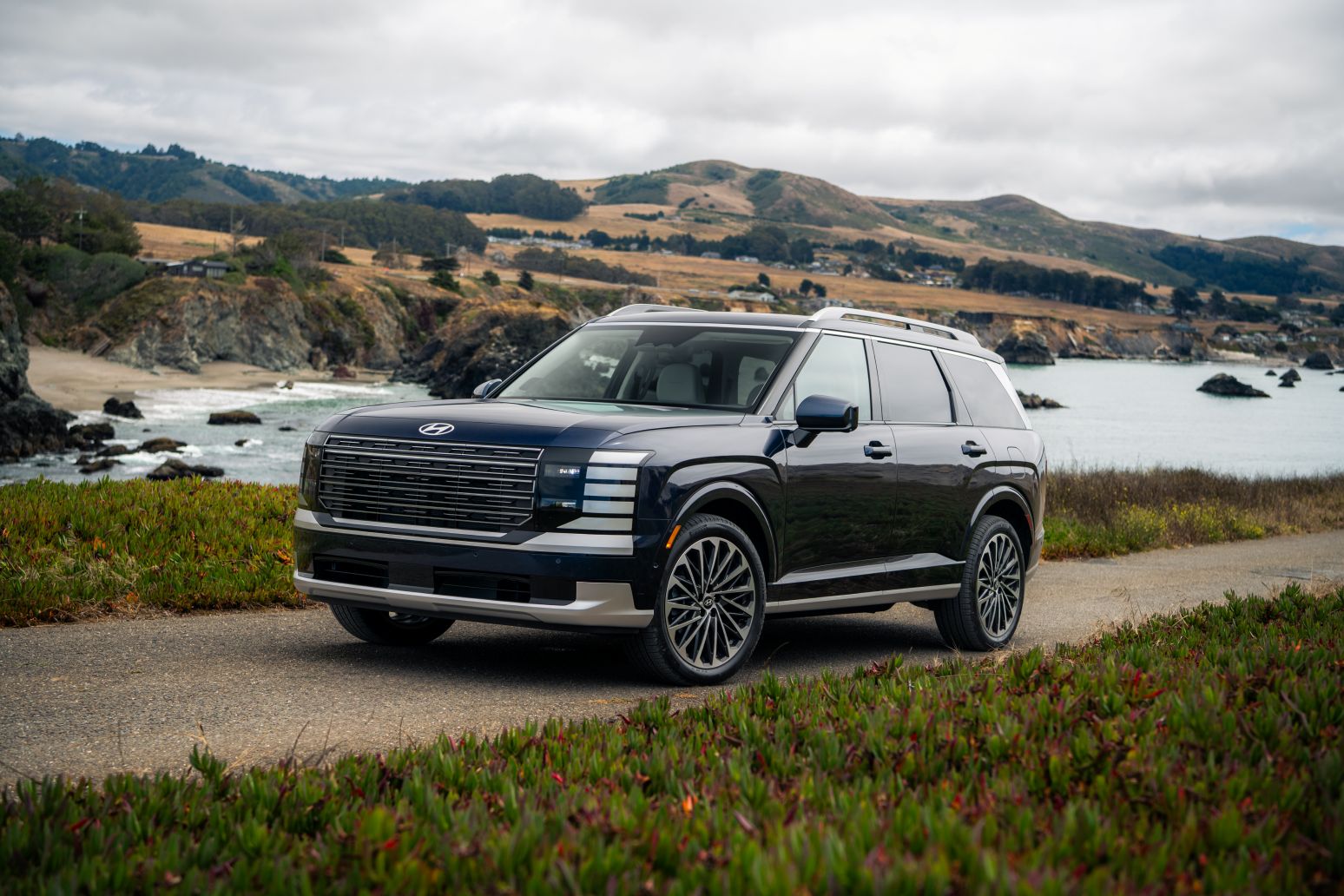
    Hyundai continues to stand out with family buyers, with three models, PALISADE, SANTA FE, and IONIQ 5, named to Kelley Blue Book’s 2026 Best Family Cars list, an annual recognition of vehicles that deliver for families. Evaluated against factors such as safety, reliability, efficiency and overall value, the recognition underscores Hyundai’s focus on building vehicles around what families prioritize every day, from peace of mind to real-world usability. The three Hyundai models represent a quarter of the vehicles recognized by KBB as the best for families.

    “At Hyundai, families do not have to choose between flexibility, technology and efficiency, whether it is the ease of managing a full day in a three-row SUV or the quiet simplicity of driving an all-electric IONIQ 5, our vehicles are designed to support the way families move through real life, without compromise.”

    Ricky Lao, director, product planning, Hyundai Motor North America.

    Vehicles Designed for Family Life

    Recognized for delivering on the everyday needs of families, PALISADE, SANTA FE, and IONIQ 5 each bring a unique combination of space, comfort, safety and flexibility. From PALISADE’s spacious three-row interior and thoughtfully designed storage to SANTA FE’s versatile layout that adapts between passenger and cargo needs, and IONIQ 5’s open, tech-forward cabin that makes daily driving easier, each vehicle is designed to simplify family life. Together, they reflect Hyundai’s focus on creating vehicles that support everything from daily routines to longer road trips with confidence and ease.

    The 2026 Hyundai PALISADE is photographed in Sonoma County, Calif., on Aug. 5, 2025.
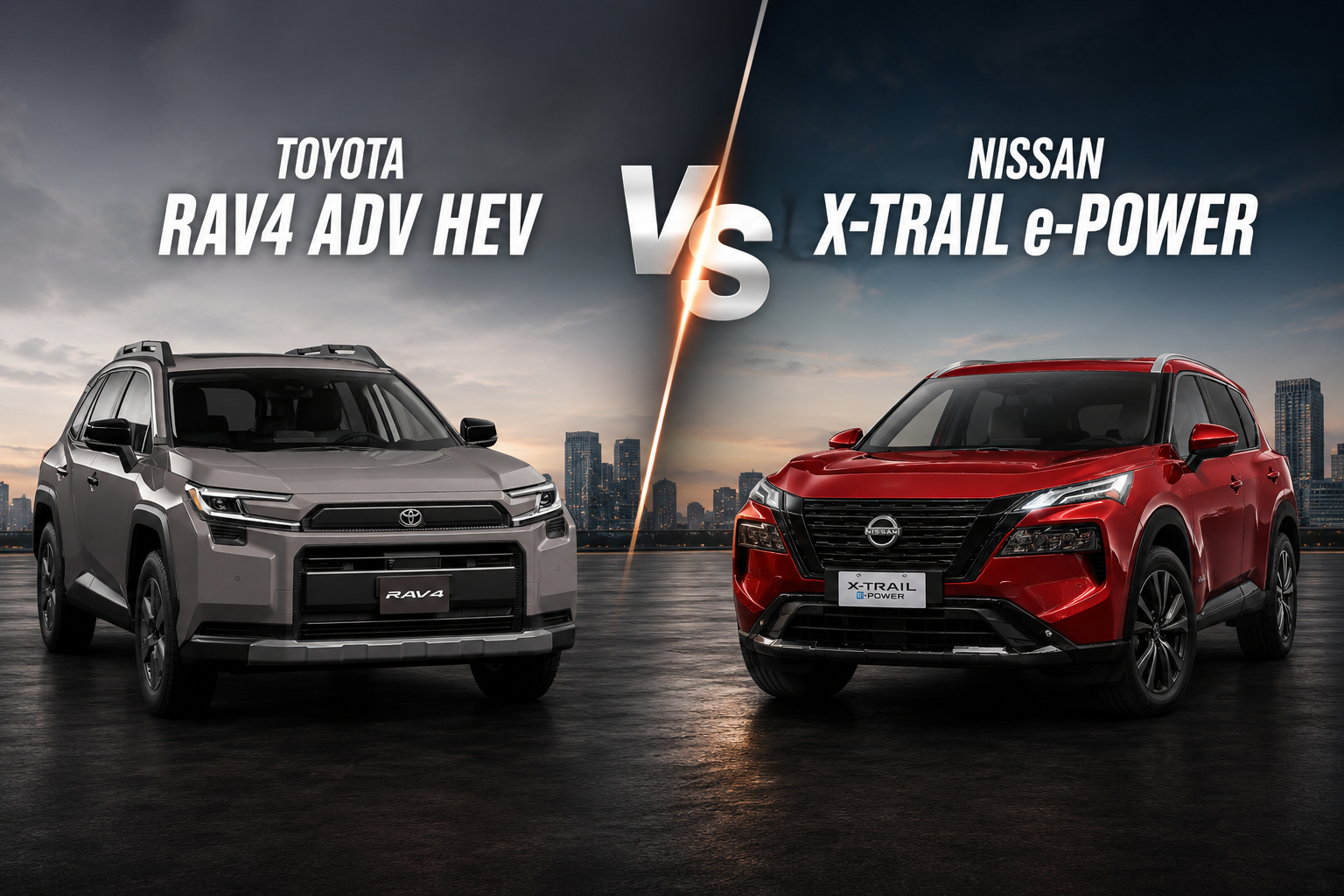
  • Spec Battle: Nissan X-Trail e-POWER vs Toyota RAV4 ADV HEV: Which One Makes More Sense for the Filipino Family?

    Spec Battle: Nissan X-Trail e-POWER vs Toyota RAV4 ADV HEV: Which One Makes More Sense for the Filipino Family?

    The return of the Nissan X-Trail to the Philippine market has reignited a rivalry that many Filipino motorists may have forgotten.

    For years, the Nissan X-Trail and the Toyota RAV4 were among the most recognizable Japanese crossovers on local roads. Both helped define what a family-oriented SUV could be long before crossovers became the dominant vehicle type they are today.

    The all-new Nissan X-Trail e-POWER arrives fresh from its launch at PIMS 2026 carrying a ₱2.29-million price tag and Nissan’s unique electrified powertrain. Meanwhile, the all-new Toyota RAV4 Adventure (ADV) HEV enters the market at ₱2.183-million armed with Toyota’s decades of hybrid expertise and a reputation for reliability that few brands can match.

    The price difference? Just ₱107,000. And for many Filipino families, that relatively small gap may be what makes this comparison worth reading and doing research on before they buy their new family haulers.

    The Numbers (Quick Glance)

    SpecificationNissan X-Trail e-POWERToyota RAV4 ADV HEV
    Price₱2,290,000₱2,183,000
    PowertrainSeries Hybrid (e-POWER)Full Hybrid AWD
    System Output204 hp236 hp
    Torque330 Nm221 Nm
    DrivetrainFront-Wheel DriveAll-Wheel Drive
    Seating Capacity5 Seats5 Seats
    TransmissionElectric Drive Systeme-CVT
    Safety SuiteNissan Intelligent MobilityToyota Safety Sense 4.0

    The Toyota immediately wins the value argument on paper. Not only is it cheaper, but it also delivers more horsepower and standard all-wheel drive. For buyers comparing spec sheets alone, the RAV4 appears to offer more hardware for less money. But the X-Trail’s story isn’t told on a spec sheet.

    Nissan’s KR15DDT engine on the X-Trail e-POWER and Toyota’s A25A-FXS engine on the RAV4 ADV HEV

    Nissan’s Secret Weapon: The Driving Experience

    The X-Trail e-POWER is unlike most hybrids sold today.

    Its gasoline engine never directly drives the wheels. Instead, it acts as a generator that produces electricity for the electric motor, which is solely responsible for moving the vehicle. The result is a driving experience that feels much closer to an EV than a traditional hybrid.

    In Metro Manila traffic, where stop-and-go driving dominates daily life, this matters. Acceleration feels immediate. Power delivery feels smooth.

    The vehicle behaves more like an electric crossover than a gasoline-powered SUV.

    Photo : Kevin Peters | Road Spec PH

    Toyota Fights Back with Proven Hybrid Excellence

    Toyota, however, has spent more than two decades perfecting hybrid technology.

    The new RAV4 ADV HEV uses a 2.5-liter hybrid powertrain paired with Toyota’s E-Four all-wheel-drive system. Unlike Nissan’s e-POWER system, Toyota’s hybrid setup can directly power the wheels using either the gasoline engine, electric motors, or a combination of both. The advantage?

    Efficiency and familiarity.

    Toyota’s hybrid technology has already proven itself in countless Prius, Corolla Cross, Camry, and RAV4 models worldwide.

    That reputation alone carries significant value.

    Photo : Toyota Philippines

    Which One Feels More Premium?

    The Nissan X-Trail arguably feels like the newer and more ambitious product. Its interior design is modern, the digital displays are impressive, and Nissan clearly wants buyers to see it as a technological flagship. The e-POWER powertrain itself contributes to that premium impression every time the vehicle moves away from a stoplight.

    The RAV4, meanwhile, feels mature. Toyota has focused on practicality, functionality, and refinement rather than technological theater. The ADV trim may not have all the visual flair of the Limited model, but it still receives Toyota Safety Sense 4.0, a hybrid powertrain, a moonroof, synthetic leather upholstery, and standard AWD capability.

    The Family Value Question

    If you asked ten Filipino families which vehicle offers more value, many would likely point to the Toyota.

    Why?

    Because ₱2.183 million buys:

    • Standard AWD
    • Higher system output
    • Toyota’s hybrid reputation
    • Toyota Safety Sense 4.0
    • Lower purchase price

    Those are difficult advantages to ignore.

    But value isn’t always measured in horsepower or equipment lists.

    The X-Trail offers something Toyota currently cannot replicate: an EV-like driving experience without needing to plug in.

    For some buyers, that uniqueness may justify the additional ₱107,000.

    Photo : Nissan Philippines

    So Which One Should You Buy?

    If your priorities are practicality, resale value, hybrid reliability, and getting the most equipment for your money, the Toyota RAV4 ADV HEV is arguably the smarter purchase.

    It’s cheaper, more powerful on paper, and backed by one of the strongest hybrid track records in the industry.

    However, if you’re looking for a crossover that feels different from everything else in the segment—one that delivers an EV-like driving experience—the Nissan X-Trail e-POWER becomes much easier to justify.

    At just ₱107,000 more than the RAV4 ADV HEV, Nissan isn’t merely asking buyers to pay for additional features.

    It’s asking them to buy into a different way of driving.

    And for many longtime X-Trail fans who waited years for its return to the Philippines, that may be worth every peso.

    Photo : Toyota

    Our Verdict

    For Filipino families shopping in the ₱2-million crossover segment, the choice between the Nissan X-Trail e-POWER and Toyota RAV4 ADV HEV ultimately comes down to priorities.

    Choose the Nissan X-Trail e-POWER if:

    ✓ You want a more advanced and modern driving experience

    ✓ You prioritize technology and innovative engineering

    ✓ You prefer an EV-like driving feel without the need for charging infrastructure

    ✓ You value refinement, smooth acceleration, and a premium cabin experience

    ✓ You want something different from the traditional hybrid formula

    Choose the Toyota RAV4 ADV HEV if:

    ✓ You prioritize value for money

    ✓ You trust Toyota’s long-established hybrid technology

    ✓ You want the added confidence of an all-wheel-drive system

    ✓ You place a high importance on resale value and long-term ownership costs

    ✓ You prefer a proven package backed by Toyota’s extensive dealer network

    Neither choice is wrong.

    The Toyota RAV4 ADV HEV remains the safer and more rational purchase, offering strong value, proven reliability, and a comprehensive feature set at a slightly lower price point.

    The Nissan X-Trail e-POWER, however, makes a compelling case for buyers willing to spend a little more for a more sophisticated driving experience. Its unique electrified powertrain, premium feel, and EV-inspired character help it stand out in a segment where many competitors follow a familiar formula.

    The real question is this: would you rather maximize value—or maximize innovation?

    About the Author

    Kevin Peters

    Kevin, or Kev, is the Founder & Editor of Road Spec PH, a passion project born from a lifelong love of cars and automotive culture.

    Long before working in the Philippine automotive industry, Kevin was already the kid who collected toy cars, spent countless hours playing Gran Turismo, and proudly told anyone who would listen that he wanted to be a race car driver when he grew up. While that racing career never quite happened, the passion for cars never went away.

    When he’s not writing for Road Spec PH, you’ll probably find him playing racing simulators, adding to his die-cast car collection, or spending time with his 2016 Mitsubishi Lancer EX.

  • Spec Check: The Nissan X-Trail Is Back: But Is the New e-POWER Worth ₱2.29 Million?

    Spec Check: The Nissan X-Trail Is Back: But Is the New e-POWER Worth ₱2.29 Million?

    For many Filipino motorists, the Nissan X-Trail isn’t just another crossover.

    It’s a nameplate that helped define the SUV boom of the early 2000s.

    Long before seven-seat crossovers became commonplace and electrification entered everyday automotive conversations, the X-Trail had already established itself as one of Nissan’s most recognizable vehicles. Rugged enough for weekend adventures yet comfortable enough for daily family duties, the X-Trail quickly built a loyal following not only in Japan but across global markets—including the Philippines.

    And now, after years of anticipation, the X-Trail is finally back.

    Making its long-awaited Philippine return at the Philippine International Motor Show (PIMS) 2026, the all-new Nissan X-Trail e-POWER arrives with modern electrified technology, a premium cabin, and a ₱2.29-million price tag that has already sparked plenty of discussion among enthusiasts.

    The question is no longer whether Filipinos still love the X-Trail. The question is whether they love it enough to spend ₱2.29 million on one.

    A Nameplate That Built Its Own Legacy

    The Nissan X-Trail first debuted in Japan in 2000 as Nissan’s answer to the growing demand for compact SUVs.

    Unlike many traditional SUVs of the era, the X-Trail focused on practicality, versatility, and everyday usability. Its boxy styling, clever interior packaging, and capable all-weather performance quickly resonated with buyers around the world.

    The video above showcases the evolution of the Nissan X-Trail and highlights how e-POWER technology has become the centerpiece of the latest generation.

    First Generation (2000–2007)

    The original X-Trail introduced the formula that would define the model for years to come.

    It offered genuine SUV capability while remaining approachable for families and urban drivers. Features such as washable cargo floors and practical storage solutions helped distinguish it from competitors.

    In the Philippines, the first-generation X-Trail became a familiar sight on roads, earning a reputation for reliability and everyday versatility.

    Nissan X-Trail ST (Australia; pre-facelift) | Nissan X-Trail – Wikipedia

    Second Generation (2007–2013)

    The second-generation model refined the formula rather than reinventing it.

    It became larger, more comfortable, and more technologically advanced while maintaining the rugged character that enthusiasts appreciated.

    For many Filipinos, this generation represented the peak of the classic X-Trail identity.

    Nissan X-Trail (China; pre-facelift) | Nissan X-Trail – Wikipedia

    Third Generation (2013–2022)

    The biggest transformation came with the third generation.

    The X-Trail evolved from a rugged SUV into a modern crossover designed for families. The introduction of optional third-row seating significantly broadened its appeal and helped it compete in an increasingly crowded market.

    Globally, this generation became one of Nissan’s best-selling vehicles.

    Nissan X-Trail ST (Australia; pre-facelift) | Nissan X-Trail – Wikipedia

    Fourth Generation (2022–Present)

    The current-generation X-Trail represents the most advanced version yet.

    Built on the Renault-Nissan-Mitsubishi Alliance’s CMF-C platform, it introduces new levels of refinement, safety technology, and electrification.

    Most importantly, it brings Nissan’s e-POWER technology to the forefront.

    Nissan X-Trail e-Power (Philippine debut at PIMS 2026) | Photo: Kevin Peters / Road Spec PH

    Enthusiasts Were Excited at PIMS 2026

    When Nissan Philippines unveiled the X-Trail e-POWER at PIMS 2026, the response wasn’t driven purely by specifications, it was emotional for many. Attendees at PIMS 2026 already knew what the X-Trail represented and this wasn’t simply another crossover entering the market.

    It was the return of one of Nissan’s most beloved nameplates. For longtime owners and enthusiasts, seeing the X-Trail badge back in local showrooms felt like the return of an old friend.

    Before and after comparison between the third generation X-Trail and the current gen X-Trail e-Power

    A More Premium X-Trail Than Ever

    The latest X-Trail isn’t trying to compete on practicality alone. It is clearly aiming higher.

    The cabin features premium materials, digital displays, advanced connectivity features, and a suite of Nissan Intelligent Mobility technologies that position it closer to premium crossovers than mainstream family SUVs.

    The design itself reflects this shift and gone is the utilitarian simplicity of earlier generations. In its place is a sharper, more sophisticated crossover that looks every bit like Nissan’s global flagship SUV.

    Photo : Nissan Philippines

    The Elephant in the Room: ₱2.29 Million

    At ₱2.29 million, the X-Trail e-POWER enters territory occupied by some very serious competitors. Price-conscious Filipino families could reasonably ask:

    Why choose an X-Trail over a larger SUV?

    Why not consider a premium Chinese EV?

    Why not look at a hybrid from Toyota?

    These are fair questions. Because at this price point, buyers are no longer shopping solely for transportation.

    They’re evaluating technology, ownership experience, fuel efficiency, brand reputation, and long-term value.

    Photo : Nissan

    Is The New Nissan X-Trail e-POWER Worth It?

    The answer depends on what buyers value most:

    If the goal is maximum size for the money, there are alternatives.

    If the goal is maximum seating capacity, there are alternatives.

    But if the goal is experiencing one of the most sophisticated electrified powertrains available today without committing to a fully electric vehicle, the X-Trail e-POWER makes a compelling case. For loyal Nissan enthusiasts, the return of the X-Trail alone may be enough to justify a closer look.

    For everyone else, the challenge will be deciding whether Nissan’s blend of heritage, technology, and electrification is worth the ₱2.29-million asking price.

    One thing is certain: The X-Trail has returned to the Philippines. And judging by the excitement surrounding its launch at PIMS 2026, plenty of people are paying attention.

    Nissan Philippines at PIMS 2026 | Video : Nissan Philippines Facebook

    About the Author

    Kevin Peters

    Kevin, or Kev, is the Founder & Editor of Road Spec PH, a passion project born from a lifelong love of cars and automotive culture.

    Long before working in the Philippine automotive industry, Kevin was already the kid who collected toy cars, spent countless hours playing Gran Turismo, and proudly told anyone who would listen that he wanted to be a race car driver when he grew up. While that racing career never quite happened, the passion for cars never went away.

    When he’s not writing for Road Spec PH, you’ll probably find him playing racing simulators, adding to his die-cast car collection, or spending time with his 2016 Mitsubishi Lancer EX.

  • Road Forecast: Mitsubishi Outlander PHEV Could Finally Be Heading to the Philippines This August 2026

    Road Forecast: Mitsubishi Outlander PHEV Could Finally Be Heading to the Philippines This August 2026

    The Mitsubishi Outlander PHEV is no stranger to the Philippine market. Enthusiasts may remember that previous generations briefly made their way to local shores, offering a glimpse of Mitsubishi’s electrified future long before EVs became a mainstream conversation.
    Now, it appears the Outlander PHEV is preparing for a comeback.

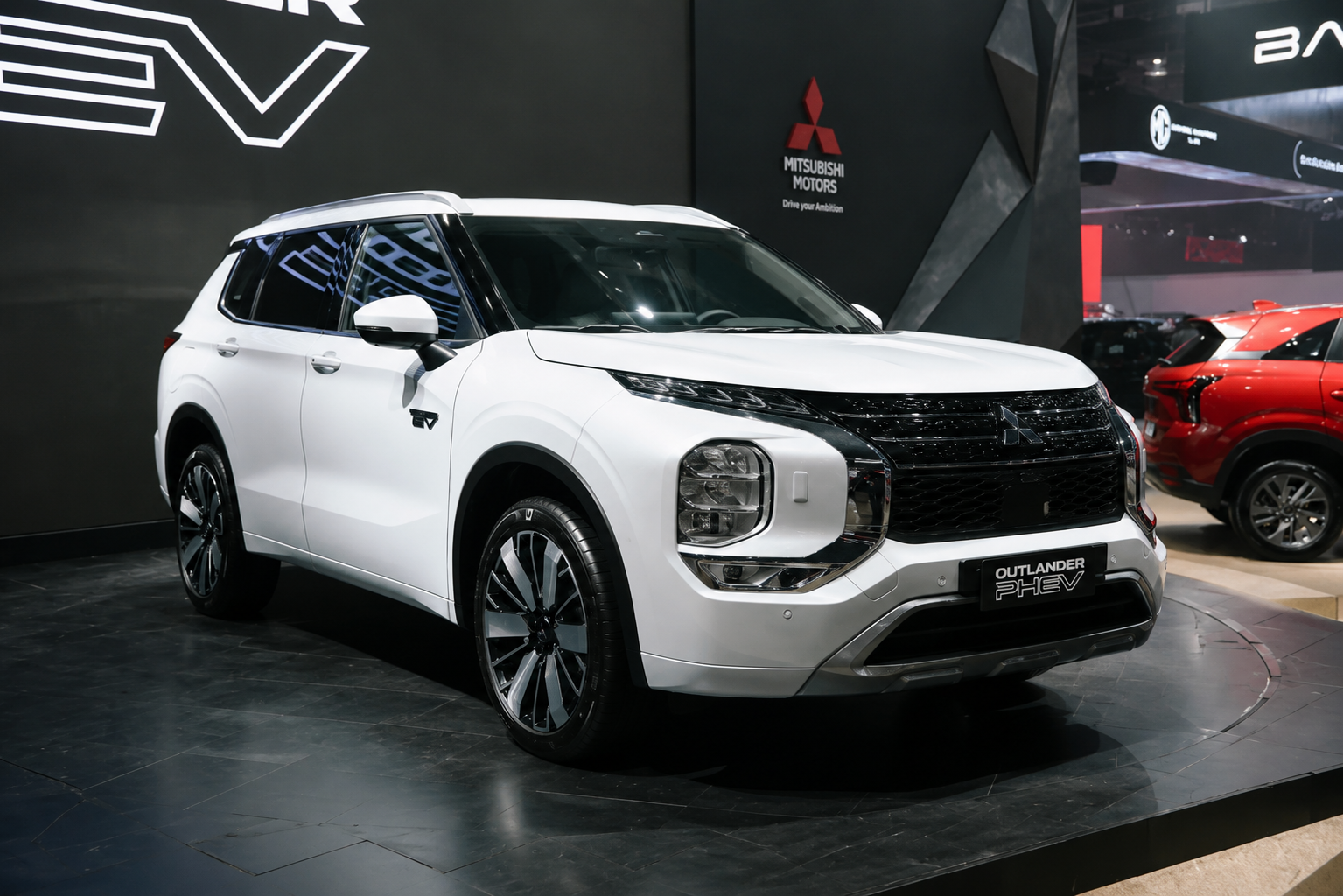
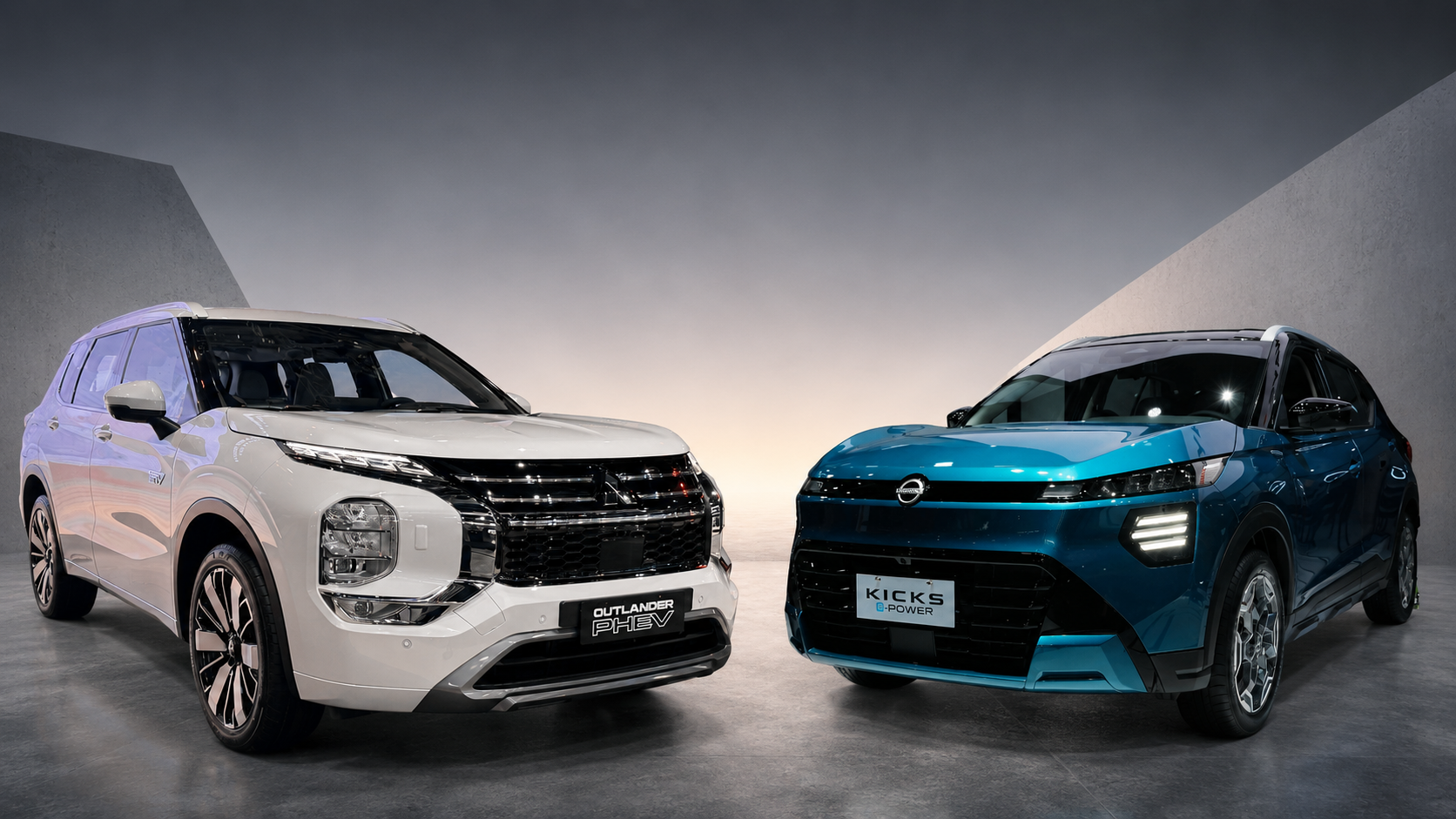
    During the recently concluded Philippine International Motor Show (PIMS) 2026, Mitsubishi Motors Philippines Corporation (MMPC) previewed the latest-generation Outlander PHEV, giving visitors a closer look at what could become one of the brand’s most technologically advanced vehicles to date. More importantly, MMPC has already hinted that the model is expected to officially arrive in local showrooms as early as August 2026.

    A Familiar Name, But an Entirely New Vehicle

    While the Outlander nameplate has been around for years, the latest model is a completely different proposition from its predecessors.

    Built on the alliance platform shared with Nissan and Renault, the current-generation Outlander adopts a more premium approach than previous Mitsubishi SUVs. The exterior carries the brand’s latest Dynamic Shield design language, with a bold front fascia, muscular proportions, and a more upscale appearance intended to compete with higher-end crossovers.

    The version previewed at PIMS appears to be the refreshed Outlander PHEV, which recently received updates in several international markets.

    Photo : Mitsubishi Motors

    Plug-In Hybrid Power

    Perhaps the biggest reason to pay attention to the Outlander PHEV is what’s underneath.

    In overseas markets, the latest Outlander PHEV combines a 2.4-liter gasoline engine with dual electric motors and a larger 22.7 kWh battery pack. The updated system produces up to 306 horsepower in some markets, making it significantly more powerful than previous versions.

    The larger battery also improves electric-only driving capability. Depending on the market and testing standard used, the Outlander PHEV can travel approximately 80 kilometers or more on battery power alone before the gasoline engine needs to assist.

    For Metro Manila commuters, that could potentially mean completing several days of driving without consuming a drop of fuel, provided regular charging is available.

    Photo : Mitsubishi Motors

    A More Premium Cabin Than You Might Expect

    One area where the new Outlander PHEV makes a significant leap forward is interior quality.

    Unlike Mitsubishi vehicles of the past that focused primarily on durability and practicality, the latest Outlander adopts a much more premium approach. International versions feature quilted leather upholstery, a fully digital instrument cluster, a large infotainment display, wireless smartphone connectivity, and a redesigned center console with improved storage solutions.

    The latest refresh also introduces a Yamaha-developed premium sound system in some markets, while additional sound insulation has reportedly been added to create a quieter and more refined cabin experience.

    Photo : Mitsubishi Motors

    What Features Could the Philippine Model Get?

    While MMPC has already previewed the vehicle, full local specifications have yet to be announced. Based on what global markets currently receive, Filipino buyers could reasonably expect:

    • Super All-Wheel Control (S-AWC) all-wheel drive
    • Multiple EV and hybrid driving modes
    • Advanced driver assistance systems
    • Wireless Apple CarPlay and Android Auto
    • 360-degree camera system
    • Digital instrument cluster
    • Premium leather upholstery
    • Power tailgate

    However, Mitsubishi may choose to adjust the final equipment list depending on pricing and market positioning. Some premium features available overseas could be reserved for higher-spec variants or omitted entirely.

    Photo : Mitsubishi Motors

    How Much Will It Cost?

    If there’s one question that could determine the Outlander PHEV’s success in the Philippines, it’s pricing.

    Globally, the Outlander PHEV has positioned itself as a premium electrified SUV, offering technology and performance that often exceed traditional hybrid crossovers. That raises an intriguing question for the Philippine market.

    Will Mitsubishi Philippines price it aggressively enough to attract buyers looking to make the transition toward electrified mobility? Or will it sit closer to premium crossover territory, limiting its appeal to a smaller audience?

    With an official launch reportedly expected as early as August 2026, we may not have to wait much longer for answers. Until then, the Outlander PHEV remains one of the most interesting vehicles on Mitsubishi Motors Philippines’ horizon—and perhaps one of the most important electrified launches the brand has undertaken in years.

    Photo : Mitsubishi Motors
    Photo : Mitsubishi Motors