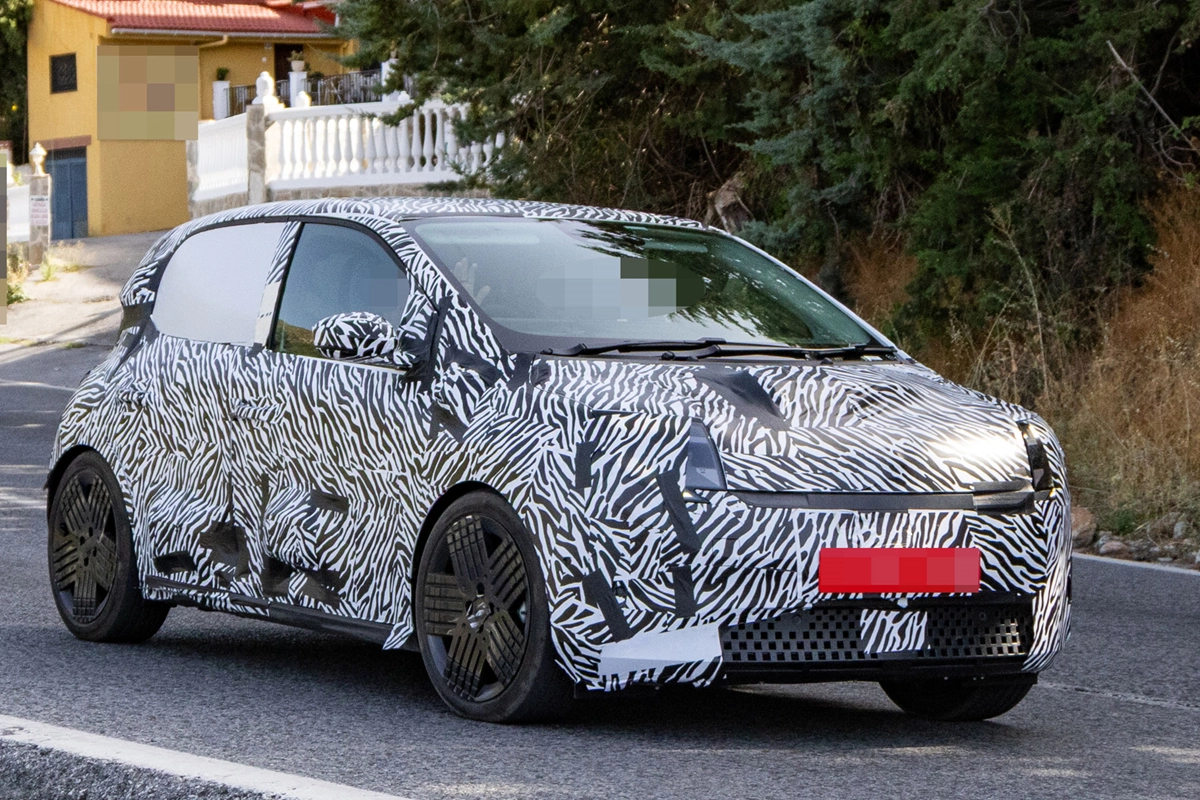
Nissan is bringing back the Pixo name on a small, fully electric city car, with its European unveiling scheduled for September 23, 2026. The announcement introduces another compact model to Nissan’s expanding EV lineup. For Philippine readers, however, this is global product news—not confirmation of an incoming local model.
The interesting part is the type of vehicle Nissan is preparing. A small EV designed around everyday city use raises a different question from another large electric SUV: how much car do urban buyers actually need? Its appeal will ultimately depend on whether the price, practicality, and charging requirements match that relatively straightforward job.
What Nissan has confirmed—and what remains unknown
Nissan identifies the Pixo as an A-segment electric city car developed for Europe. Its September announcement emphasizes compact dimensions and urban usability, while reserving further details for the full reveal. Nissan’s global website separately confirms the September 23 unveiling date.
Those numbers—and Nissan’s pricing—are still details to watch at the reveal. Specifications published for a related Renault should not automatically be treated as Nissan specifications. Likewise, positioning the Pixo as an entry-level EV does not yet tell us what it would cost in another market.
Could this kind of EV work in Philippine cities?
On paper, a compact electric city car could suit buyers whose regular driving involves short urban trips and tight parking spaces. A smaller footprint may be more useful to those motorists than extra size or headline-grabbing acceleration. That is the Philippine relevance of the Pixo announcement, even without a local product plan.
Affordability would still need to extend beyond the purchase price. Buyers would have to consider reliable charging access, passenger and cargo needs, and aftersales support before deciding whether a small EV could serve as their main vehicle. Compact dimensions alone do not make a car the right fit.
As of September 14, Nissan Philippines has not announced a Pixo launch or local availability. For now, the September 23 reveal is worth watching for what it says about Nissan’s approach to smaller electric cars. If a model like this were offered here at a competitive price, what would matter most to you: range, charging speed, cabin space, or simply an attainable monthly payment?
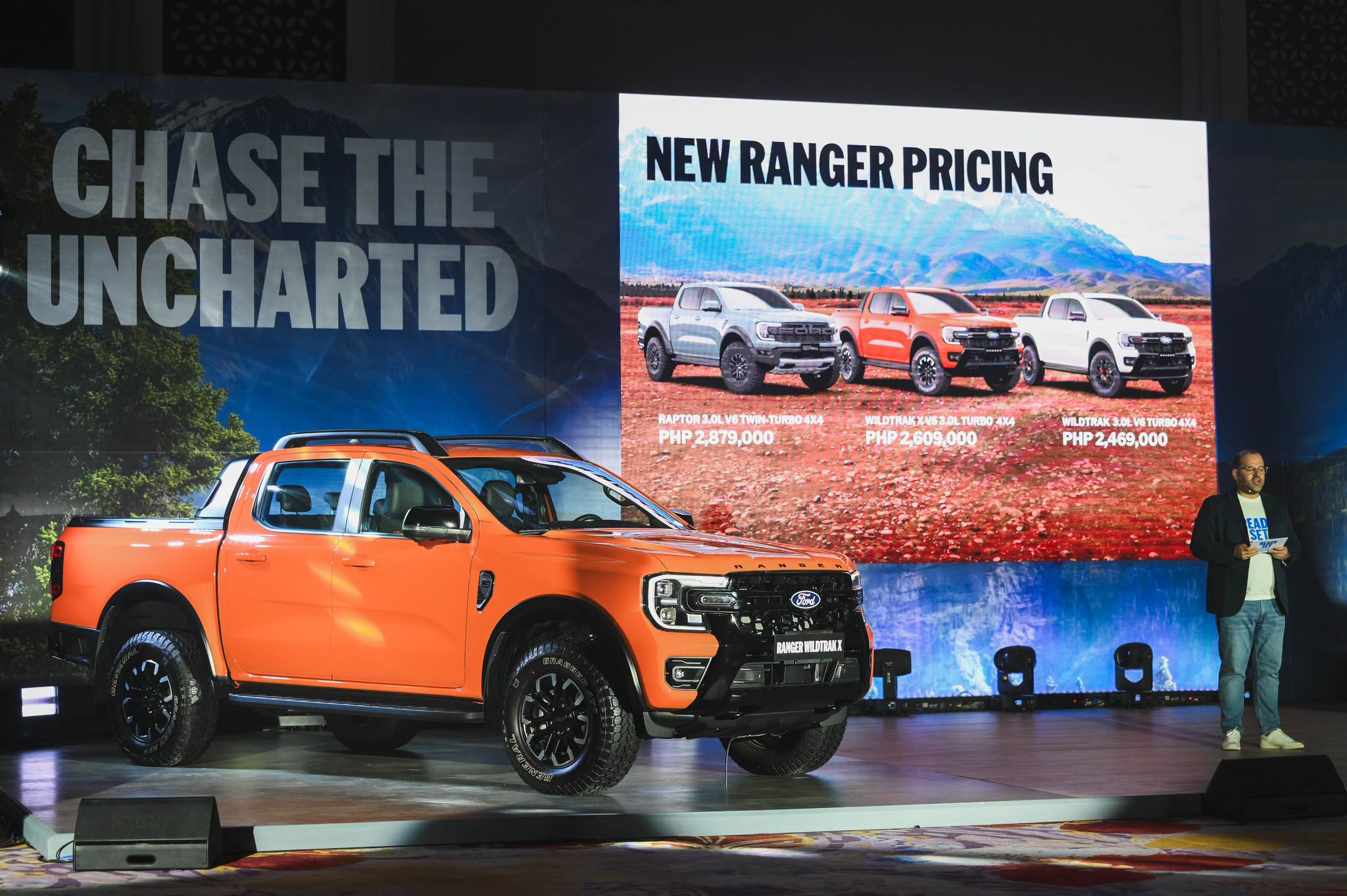
Ford Philippines has given the Ranger and Everest something enthusiasts can appreciate: a 3.0-liter turbo-diesel V6 producing 250 PS and 600 Nm, paired with a 10-speed automatic. Available in the Ranger Wildtrak, Wildtrak X, and Everest Platinum, it gives buyers a more powerful alternative to the familiar four-cylinder diesel formula. But its arrival also raises a reasonable question: why emphasize a bigger diesel engine when electrification is becoming an increasingly important part of the Philippine buying conversation?
The timing makes that question more relevant. Following the previous week’s rollback, the Department of Energy announced another round of fuel-price increases effective September 8, including a ₱5.18-per-liter diesel adjustment. It is a reminder that being able to afford a premium pickup or SUV does not make its running costs irrelevant.
Still, declaring the V6 a mistake simply because hybrids exist would be too easy. The more useful assessment is whether Ford is serving a genuine need—and whether it should also offer an electrified answer to buyers whose priorities have changed.
The V6 is not Ford’s entire electrification strategy
However, the Territory cannot answer every Ranger or Everest buyer’s requirements. Someone who needs a pickup bed is not necessarily shopping for a crossover, while an Everest buyer may specifically want a seven-seat, four-wheel-drive SUV. An electrified model elsewhere in the showroom does not automatically replace an electrified version of the vehicle they actually need.
Ford Mustang Mach-E
Our reading is that Ford is serving different buyers rather than choosing one powertrain for everybody. A diesel remains a straightforward proposition for owners who prioritize their existing refueling routine and want substantial pulling power for demanding use. Ford’s wider international Ranger update also expanded V6 availability, so the Philippine move follows a broader product direction rather than an isolated local decision.
Ford Ranger PHEV
Ford already has a Ranger PHEV—so where is ours?
The answer to whether Ford can build a hybrid pickup is an unequivocal yes. The Ranger PHEV was already available overseas in 2025, combining a 2.3-liter EcoBoost gasoline engine with an electric motor for 281 PS and 697 Nm. Its 11.8-kWh usable battery supports up to 43 km of electric-only driving under WLTP testing, while Ford quotes towing capability of up to 3,500 kg when properly equipped. These are overseas specifications, not a Philippine-market announcement.
Ford F-150
Ford also offers hybrid versions of the Maverick and F-150 in the United States. Electrified pickups are therefore existing products within the company, not merely concepts or distant plans. Their presence abroad does not, however, establish Philippine availability.
There has been a local indication of interest. In August 2025, Top Gear Philippines reported Ford Philippines executive Ryan Lorenzo saying the Ranger PHEV would arrive “at the right time.” That statement did not provide a firm launch date, and we have not found a confirmed Philippine timetable in the material reviewed for this article.
Nissan Navara Pro PHEV
Meanwhile, Nissan’s planned November arrival of the Navara Pro PHEV makes the question more pressing. Its announcement is not proof of sales success, but it gives interested pickup buyers another reason to consider waiting. Ford’s challenge is no longer explaining whether an electrified Ranger is possible; it is explaining when Filipino customers will have that choice.
Does the V6 pricing stand up to the alternatives?
Against established Japanese competitors, Ford’s pricing is more competitive than the bigger engine might suggest. The following comparison uses current advertised Philippine prices and manufacturer-rated outputs, rather than promotional discounts or overseas specifications.
Prices checked September 9, 2026. Paint, accessories, location charges, and offers may affect the final quotation. Higher output and more gears do not automatically establish better economy, durability, or overall performance.
The Wildtrak X is ₱2,000 cheaper than the new Toyota Hilux Conquest 4×4 AT, while offering higher engine output and Bilstein suspension hardware. The regular Wildtrak costs ₱110,000 more than the Mitsubishi Triton Athlete, adding 46 PS and 130 Nm on paper. Ford is therefore not simply demanding a large premium for two additional cylinders, although the less expensive Triton remains a rational choice for someone who does not need that extra output.
The Everest Platinum’s ₱199,000 premium over the Toyota Fortuner GR-S needs a broader assessment. Its proposition includes ventilated power front seats, matrix LED lighting, a 12-speaker Bang & Olufsen system, and a powered folding third row alongside the engine upgrade. Whether that package is worth paying for depends on how much those features matter to the buyer—not merely the V6 badge.
Chinese-brand alternatives make the comparison less comfortable for Ford. The BYD Shark 6 DMO Advanced is advertised at ₱2,388,000—₱81,000 below the regular Wildtrak—with a plug-in hybrid drivetrain, a 29.6-kWh battery, and quoted combined motor output of 435 PS and 650 Nm. BYD claims up to 100 km of electric range under NEDC testing; that figure is neither a Philippine road-test result nor directly comparable with the Ranger PHEV’s WLTP figure.
BYD Shark 6 DMO
That does not make the Shark the automatic winner. Its combined motor ratings cannot settle questions about loaded performance, towing suitability, suspension behavior, or long-term ownership costs. But it does challenge the idea that buyers must spend more upfront to obtain an electrified pickup.
The SUV comparison also extends beyond electrification. GWM Philippines lists the seven-seat, four-wheel-drive Haval H9 at ₱1,998,888, with a 2.4-liter diesel producing 186 PS and 480 Nm. It is not an equivalent specification package, but its roughly ₱850,000 price advantage over the Everest Platinum forces buyers to identify what they genuinely value in the Ford.
GWM Haval H9
Nor is the electrified pickup challenge exclusively Chinese: Toyota Philippines now lists a Hilux BEV 4×4 at ₱2,990,000. Different powertrains are becoming part of the comparison within familiar brands as well.
Toyota Hilux BEV
Running costs remain the unresolved part of this assessment. We do not yet have a comparable Philippine fuel-consumption test proving how the new V6 performs against these alternatives under the same conditions. Engine displacement alone cannot supply that answer, while a fair PHEV calculation must include both gasoline and electricity, charging frequency, and the distance driven after its usable electric range is exhausted.
For an owner who regularly uses the Ford’s capabilities, its price can be defensible. For someone primarily commuting through traffic with convenient charging available, an electrified alternative deserves serious consideration. “They can afford the fuel” is not a value argument; the additional expense should buy something the owner actually wants or needs.
Brand loyalty matters—but it cannot do all the work
Ford and Mitsubishi both have recognizable nameplates and established followings, but their Philippine market positions are not equivalent. January–July 2026 CAMPI–TMA figures put Mitsubishi at 42,592 vehicles, or 17.62 percent of member-company sales, against Ford’s 8,587 units, or approximately 3.55 percent. These are shares within the association’s reporting group, not the entire Philippine market.
Sales establish demand, not the precise reasons behind every purchase. Nevertheless, brand familiarity can carry practical and emotional value: an owner may trust a dealership they already use, appreciate how a previous vehicle served the family, or simply prefer the character of a particular pickup or SUV. A new powertrain does not automatically erase those considerations.
Mitsubishi Outlander PHEV
Mitsubishi Motors Philippines began selling the current-generation Outlander PHEV on August 21, adding to a nameplate with years of global plug-in hybrid experience. The distinction is how broadly electrification reaches the local lineup—not whether the engineering exists.
That leaves Ford with a defensible present-day product and an increasingly important next question. The V6 Ranger and Everest can appeal to buyers who value their performance, equipment, and familiar ownership proposition. But loyalty should encourage Ford to give those same customers more choices, including an electrified pickup, rather than assume they will never look elsewhere.
The V6 deserves to be judged on what it delivers. The Ranger PHEV deserves a clearer Philippine answer. A loyal Ford buyer should not have to stop being one simply because their priorities have changed.
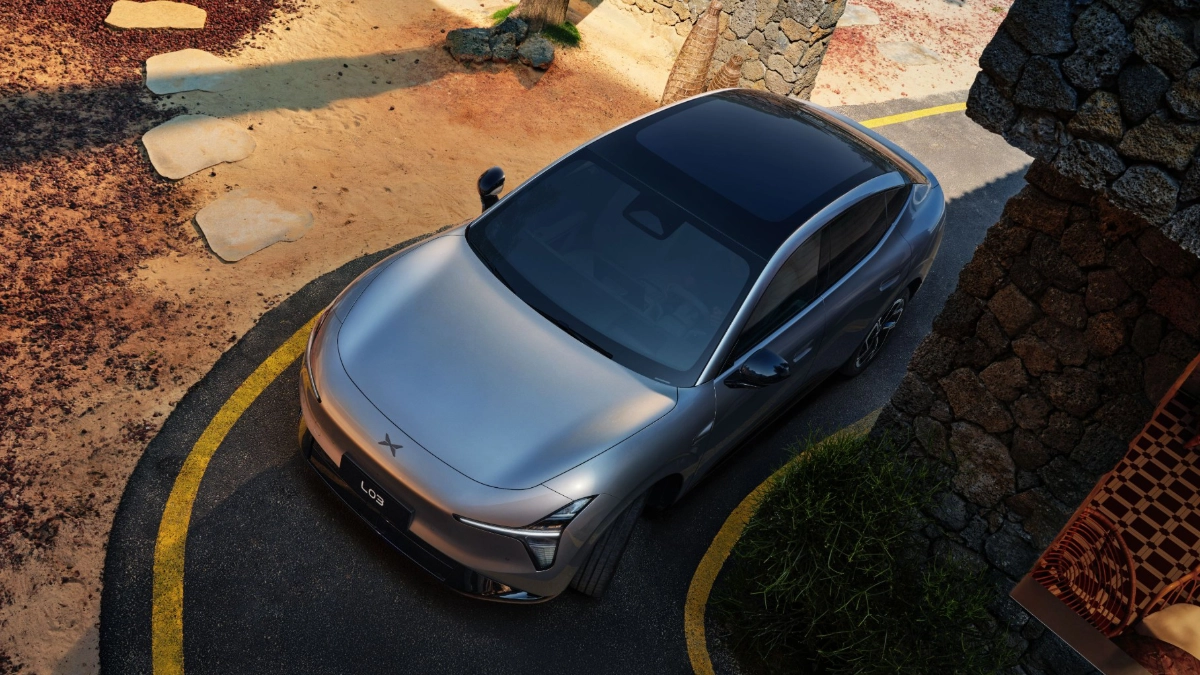
XPENG Philippines is preparing its September 2026 debut with the L03 crossover and X9 electric MPV, introducing two very different propositions to Filipino buyers. One could bring the brand within reach of shoppers considering their first electrified family car; the other aims considerably higher. The two-model launch plan has been announced, although final local pricing and variant details remain important pieces of the picture.
The arrival of another Chinese automotive brand is no longer enough to make a compelling buying argument. Filipino motorists have increasingly varied choices, and a large touchscreen or an impressive claimed range does not automatically make one vehicle the better purchase. The more useful question is what XPENG can offer that makes daily driving—and the years of ownership afterward—better.
Photo : XPENG
Its emphasis on artificial intelligence and software gives us something worth examining. But those capabilities need to translate into practical benefits, not merely another set of acronyms to learn.
The XPENG L03 could be the one that matters most
The L03 deserves attention because of its potential price positioning. Top Gear Philippines has reported an expected starting price below ₱2 million, although this remains an indication rather than an announced Philippine SRP. If that positioning holds, the L03 could enter the shortlist of buyers comparing conventional crossovers, hybrids, plug-in hybrids, and battery-electric alternatives.
For a sense of its footprint, XPENG’s overseas specifications describe a five-seat crossover measuring 4,650 mm long, 1,920 mm wide, and 1,600 mm tall, with a 2,850-mm wheelbase. Those figures provide useful context, but they should not be mistaken for a finalized Philippine specification sheet. Its width, in particular, is something prospective owners should consider against their parking space and usual routes.
That is why the L03 could be the more consequential launch. A competitively priced crossover with useful space and well-executed technology has a broader potential audience than a luxury flagship. The challenge will be delivering those strengths in the Philippine variants buyers can actually order.
The XPENG X9 makes the bigger statement
The seven-seat X9 occupies a different price bracket, with earlier Philippine reporting placing its indicative price around ₱4.5 million. That is premium-MPV territory, where buyers should expect convincing passenger comfort and ownership support—not simply a dramatic exterior. The figure is not yet a final local SRP.
For a family buying a large electric MPV, the real questions remain straightforward. Is the third row comfortable enough to use regularly? How easily can everyone get in, how much luggage remains with all seats occupied, and how conveniently can the vehicle be charged between trips?
XPENG is selling AI—but what will it do here?
The technology pitch becomes more interesting when we move beyond the brochure. XPENG’s Philippine X9 page promotes voice interaction, parking assistance, and driver-assistance functions, while also warning that equipment can vary by model, trim, and market. That makes the exact list of locally enabled functions an essential launch-day question.
Photo : XPENG
How will the available systems behave around motorcycles filtering between lanes, jeepneys making frequent stops, or vehicles merging into small gaps? What happens when lane markings fade or heavy rain reduces visibility? These are questions for controlled evaluation, not claims that any system can independently negotiate every Philippine traffic situation.
The distinction matters: XPILOT is driver assistance, not autonomous driving. XPENG itself states that the system cannot handle every traffic, weather, and road condition, and that the driver must remain attentive and intervene when necessary. An AI label does not change that responsibility.
Photo : XPENG
The less dramatic software functions could prove just as valuable. Voice commands that understand local users, navigation that handles Philippine destinations properly, and menus that make everyday controls easy to reach would all improve the experience. XPENG advertises over-the-air updates, but buyers should assess the functions available at delivery rather than purchase on the assumption that a missing capability will arrive later.
The real test starts after the launch
Another notable part of XPENG’s entry is its operating structure. The company is establishing XPENG Philippines as a direct subsidiary overseeing national sales, marketing, distribution, and retail operations. That creates a direct manufacturer presence, although it does not mean every dealership is company-owned or automatically guarantee excellent aftersales service.
There are already support services being advertised. XPENG’s Philippine service page lists remote diagnostics, service booking, genuine parts, and round-the-clock roadside assistance. These are useful starting points, but prospective owners still need clear information about coverage, service locations, response arrangements, and the precise vehicle and battery warranty terms.
The Philippine electrified-vehicle market is getting crowded. XPENG is betting that technology can help it stand out. What matters next is whether that technology makes the ownership experience better.
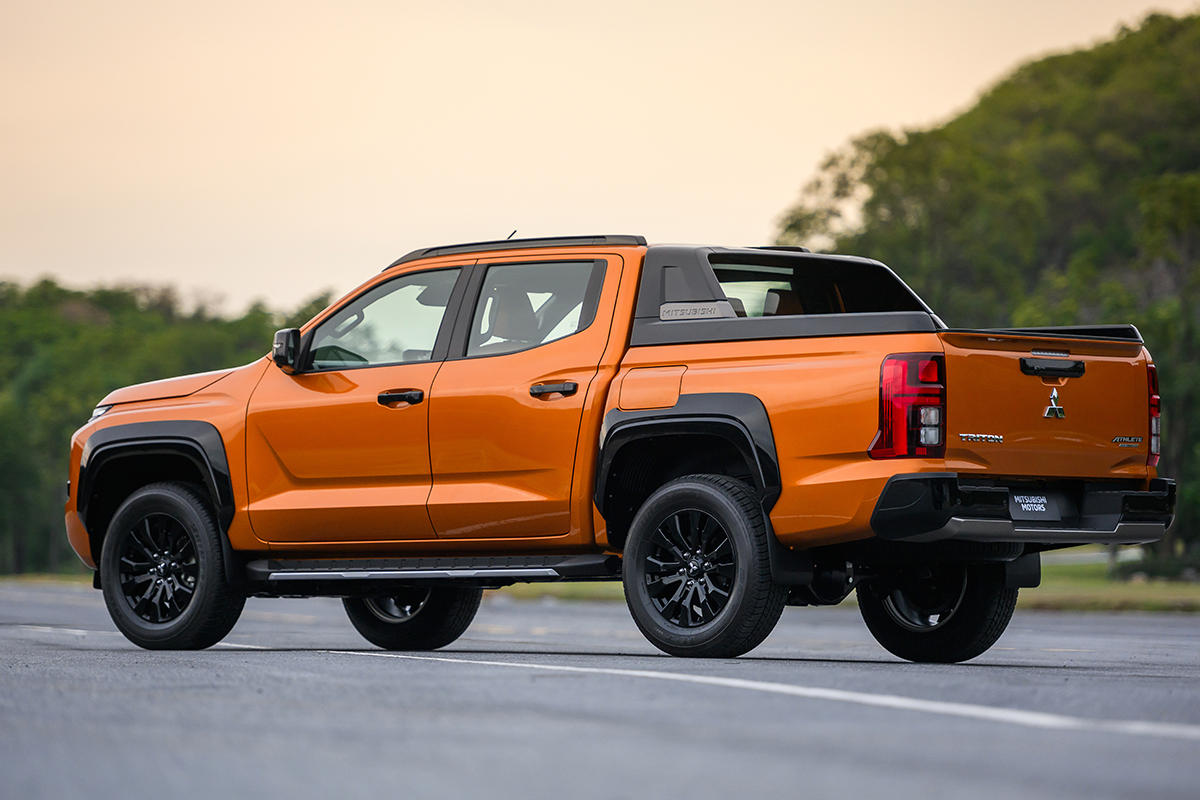
Mitsubishi Motors’ newest SUVs give us a reason to look again at the Mitsubishi Triton. Across the XForce, Destinator, and newly revealed Pajero, distinctive lighting and strong horizontal lines create an increasingly recognizable family resemblance. For Philippine pickup buyers, that raises an interesting question: could a future Triton update bring those ideas into the truck’s design?
As of September 7, 2026, we have found no official announcement of a Pajero-inspired facelift for the Philippine-market Triton. This feature examines Mitsubishi’s confirmed production designs; the proposed Triton changes are Road Spec PH analysis.
Disclaimer: This image is an AI-generated concept created for illustrative purposes only. It is not an official Mitsubishi design or preview of a confirmed Triton update.
Mitsubishi’s family resemblance is becoming clearer
The XForce offers an early reference point. Mitsubishi describes its front as an evolution of Dynamic Shield, with daytime running lights that combine L-shaped elements and slitted accents into a T-shaped signature. The rear lights repeat that motif, giving the compact SUV a recognizable appearance from either direction.
The new Pajero brings upright proportions, prominent fenders, T-shaped headlights, and a choice of horizontal-bar or honeycomb grilles. Our reading is that these models share an emphasis on width and clearly defined shapes, even though each applies those ideas differently. A future Triton could strengthen its resemblance to that family while retaining the proportions and character of a pickup.
Photo : Mitsubishi Motors
The current truck already participates in that design language. Its sixth generation debuted in July 2023 with Mitsubishi’s Beast Mode design concept, three L-shaped daytime running lights on each side, and T-shaped rear lights. Any future adoption of a stronger T-shaped lighting signature would therefore be an evolution of existing themes, particularly at the front.
The Pajero–Triton connection goes beneath the bodywork
There is a confirmed engineering relationship behind this discussion. Mitsubishi’s earlier Pajero announcement states that the SUV uses the Triton’s ladder frame as its foundation, with model-specific development of the cabin and front and rear suspension. That makes the two vehicles relevant points of comparison, although shared foundations do not establish a plan to exchange body panels or equipment.
Photo : Mitsubishi Motors
For an eventual facelift, we would look first at how Mitsubishi might reorganize the Triton’s grille, lighting, and bumper. A more continuous horizontal treatment could visually connect the lamps, while a different arrangement of the protective trim could give the nose a cleaner appearance. Those are possible directions for the design, with no confirmed production changes behind them.
Mitsubishi has already demonstrated that the current Triton can accommodate a different front-end treatment. The Thailand-exclusive Triton Mega Cab Street has its own grille design and 17-inch wheels, along with a 10-inch infotainment system. It is an existing market-specific version, so its appearance does not confirm a broader facelift or a Philippine introduction.
At the rear, revised lighting graphics and tailgate detailing could create a closer visual relationship with Mitsubishi’s newer SUVs. Different wheels and finishes could also distinguish the grades. We would want those changes to preserve useful bumper steps, cargo access, and the visibility of the lamps—details that matter once the truck starts working.
The cabin and drivetrain deserve attention, too
The Philippine Triton Athlete currently lists a 9-inch touchscreen, a 4N16 diesel engine, a six-speed automatic, and Super Select 4WD-II. Those provide a concrete starting point when considering what Mitsubishi Motors Philippines Corporation’s pickup customers might want from a future update. A larger display could be welcome, particularly if it improves the readability of maps and camera views.
Photo : Mitsubishi Motors
The Pajero’s integrated display arrangement offers another possible source of inspiration. However, fitting its complete dashboard into the Triton would be a much bigger proposition than updating the infotainment system or instrument graphics. Our preference would be for clearer information and responsive controls, with frequently used functions remaining easy to operate.
An additional two gears alone would not tell buyers whether an updated pickup drives better. Shift behavior, response under load, cruising refinement, and fuel consumption would matter more in daily use. Those qualities would need to be assessed in an actual production vehicle.
What would make a future Triton update worthwhile in the Philippines?
For Philippine buyers, a more cohesive design would be an appealing starting point. Its value would depend on the equipment and price attached to it, particularly across the grades that people can realistically afford. A refreshed flagship would attract attention, but useful improvements reaching more of the range would give buyers a stronger reason to consider the truck.
Our wishlist would include better camera visibility, straightforward smartphone connectivity, comfortable seating, and driver-assistance systems that work predictably in local traffic. We would also want Mitsubishi to retain the practical details that make a pickup easy to live with. An impressive cabin still needs to accommodate work gear, muddy footwear, and regular loading duties.
The new Pajero makes the Triton’s eventual evolution an interesting design question. Its connection to the pickup gives us something concrete to examine, while the XForce and Destinator show how Mitsubishi adapts recognizable motifs to different vehicles. A future Triton could take that family resemblance further, provided the result still serves the people buying a truck.
Would you prefer a Triton with more of the Pajero’s appearance—or would cabin technology, refinement, and pricing have a greater influence on your decision?