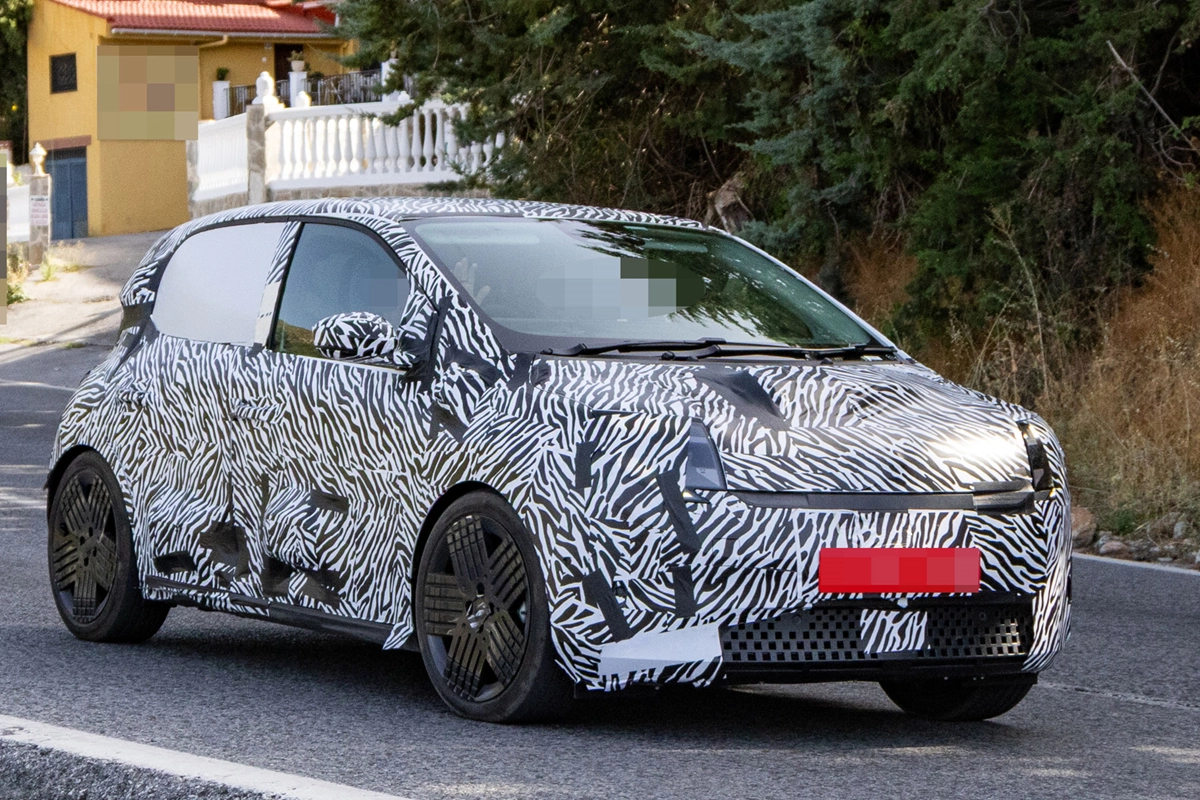
Nissan is bringing back the Pixo name on a small, fully electric city car, with its European unveiling scheduled for September 23, 2026. The announcement introduces another compact model to Nissan’s expanding EV lineup. For Philippine readers, however, this is global product news—not confirmation of an incoming local model.
The interesting part is the type of vehicle Nissan is preparing. A small EV designed around everyday city use raises a different question from another large electric SUV: how much car do urban buyers actually need? Its appeal will ultimately depend on whether the price, practicality, and charging requirements match that relatively straightforward job.
What Nissan has confirmed—and what remains unknown
Nissan identifies the Pixo as an A-segment electric city car developed for Europe. Its September announcement emphasizes compact dimensions and urban usability, while reserving further details for the full reveal. Nissan’s global website separately confirms the September 23 unveiling date.
Those numbers—and Nissan’s pricing—are still details to watch at the reveal. Specifications published for a related Renault should not automatically be treated as Nissan specifications. Likewise, positioning the Pixo as an entry-level EV does not yet tell us what it would cost in another market.
Could this kind of EV work in Philippine cities?
On paper, a compact electric city car could suit buyers whose regular driving involves short urban trips and tight parking spaces. A smaller footprint may be more useful to those motorists than extra size or headline-grabbing acceleration. That is the Philippine relevance of the Pixo announcement, even without a local product plan.
Affordability would still need to extend beyond the purchase price. Buyers would have to consider reliable charging access, passenger and cargo needs, and aftersales support before deciding whether a small EV could serve as their main vehicle. Compact dimensions alone do not make a car the right fit.
As of September 14, Nissan Philippines has not announced a Pixo launch or local availability. For now, the September 23 reveal is worth watching for what it says about Nissan’s approach to smaller electric cars. If a model like this were offered here at a competitive price, what would matter most to you: range, charging speed, cabin space, or simply an attainable monthly payment?
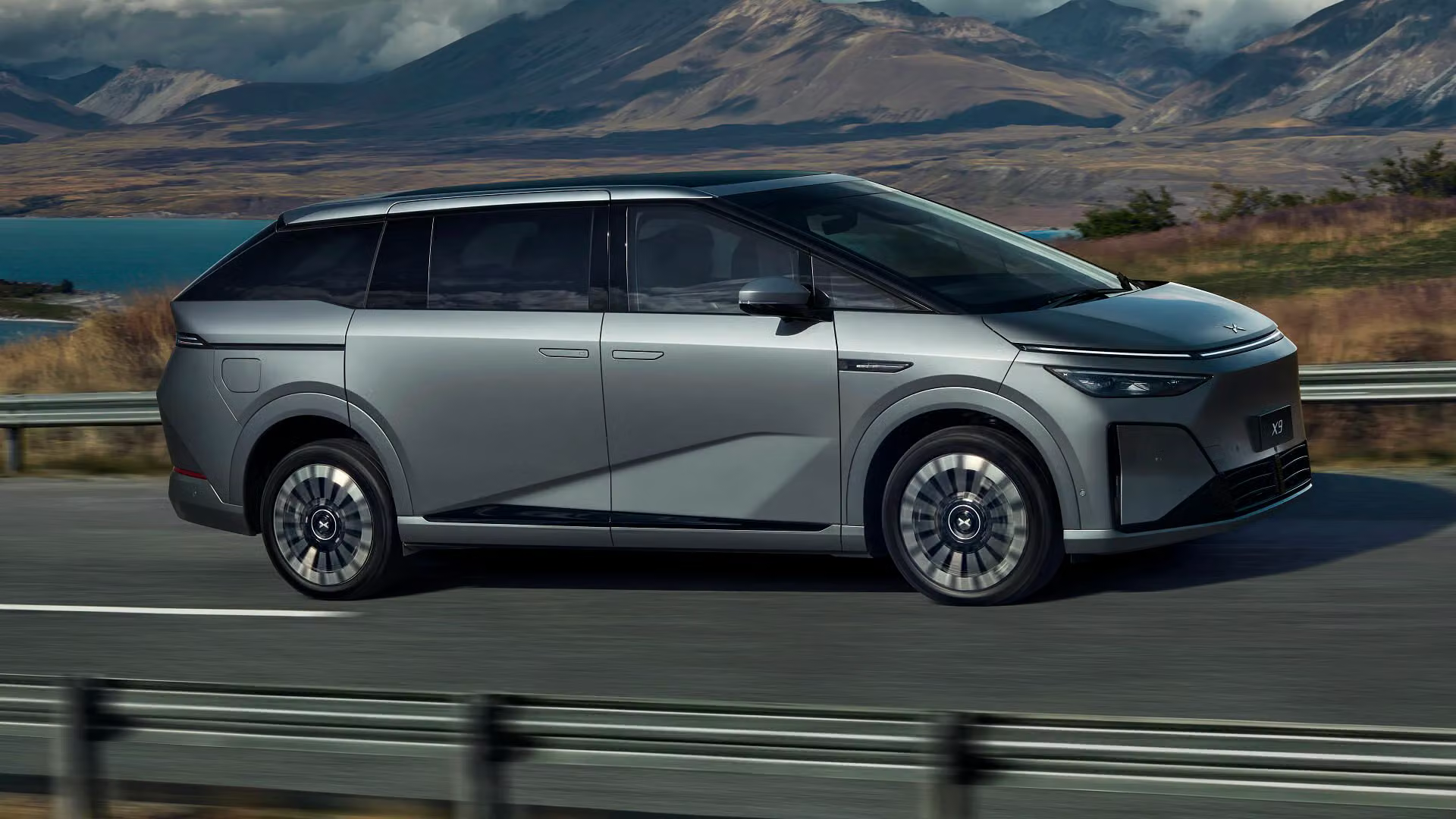
XPENG Philippines has announced prices for the L03 electric coupe SUV and X9 electric MPV ahead of its September 25 grand launch. The L03 EV RWD Long Range Ultra costs ₱2,058,000, while the X9 with the Second Row Premium Seat Package is priced at ₱4,058,000.
These prices put two different propositions on the table: a technology-focused electric SUV and a seven-seat MPV built around passenger comfort. Comparisons with official overseas listings also suggest Philippine buyers are getting competitive pricing, although currency conversion alone cannot tell the whole ownership story.
XPENG L03: What ₱2.058 million gets you
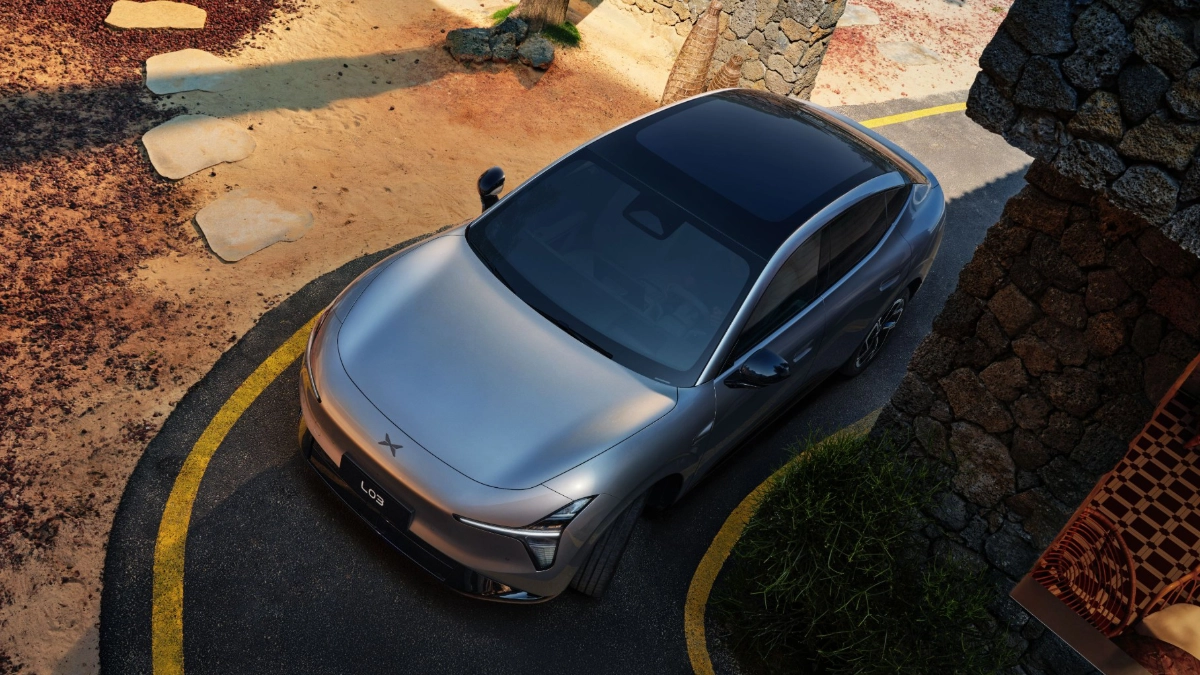
The Philippine L03 arrives in RWD Long Range Ultra form, with a lithium-ion phosphate battery and a claimed range of up to 480 kilometers under WLTP testing. XPENG says its 400V electrical architecture supports a 10–80% charge in approximately 20 minutes under suitable conditions. Vehicle-to-load capability also allows the car to supply electricity to compatible external equipment.
Photo : XPENG Philippines
Inside, buyers get a 15.6-inch 2.5K touchscreen, a 26.8-inch head-up display, and XOS 6.0 with Google Maps and voice controls. Practicality includes a manufacturer-quoted 102-liter front compartment and 539-liter rear luggage area. Three Turing AI chips support driving-assistance and cabin functions, including a parking assistant designed to recognize spaces beyond conventional painted bays.
XPENG X9: A premium for the passengers
The X9’s ₱4.058-million price includes two second-row Grand Zero-Gravity seats with 18-way electric adjustment, powered leg supports, heating, ventilation and 16-point massage. A refrigerator, five-zone climate control, 21.4-inch rear entertainment screen and 27-speaker XOPERA audio system complete the passenger-focused package.
Photo : XPENG Philippines
Its 110-kWh NCM battery provides a claimed 615-kilometer WLTP range. XPENG quotes peak DC charging of up to 542 kW and approximately 12 minutes from 10–80%, supported by its 800V architecture. Active rear-wheel steering also gives this more-than-5.3-meter-long MPV a claimed minimum turning radius of 5.4 meters.
How do Philippine prices compare overseas?
Using indicative September 11 currency conversions, both Philippine prices sit below the selected overseas benchmarks:
Overseas benchmark
Advertised overseas price
Approximate peso equivalent
Philippine price difference
L03 RWD Long Range Ultra, France
€42,990
₱3,130,000
₱1,072,000 lower—about 34%
New X9 2WD Long Range, Malaysia
RM297,888
₱4,586,000
₱528,000 lower—about 12%
The French-market L03 provides a useful point of comparison. Its similarly named trim is rated at 480 kilometers of WLTP range, supports a 20-minute charging time, and also comes with the large head-up display. On paper, that puts the Philippine-spec model in a competitive position without having to compare it against a cheaper, lower-spec variant.
XPENG L03
Malaysia’s X9 Long Range uses the same 110-kWh battery, offers up to 615 kilometers of WLTP range, and supports 542-kW charging. The difference is in the second row: the Malaysian spec sheet lists 14-way adjustment, while the Philippine release highlights 18-way premium seats. So while the Philippine model looks well-equipped on paper, the two versions are not exactly the same.
XPENG X9
The Malaysian figure is the selling price before on-road fees and insurance. Different taxes, equipment, promotions and ownership benefits remain embedded in each market’s pricing; these are sticker-price comparisons, not import-cost calculations or proof of equivalent after-sales coverage.
Reservations are ₱10,000 for the L03 and ₱25,000 for the X9. XPENG Philippines also says buyers receive ₱10,000 in EV charging credits and a First Circle Gift Set upon delivery. The pricing and equipment make a promising introduction; warranty terms, service access and real-world performance will determine how convincing that value remains after purchase.
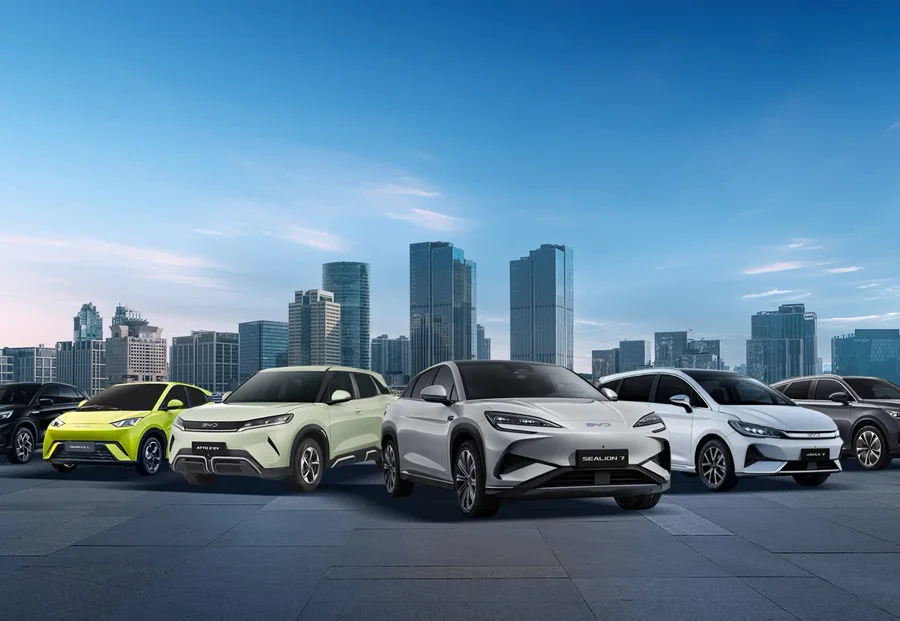
According to figures released by the company, BYD recorded 28,399 retail sales from January through August 2026, up 99 percent year-on-year and already ahead of the 26,122 units it reported for full-year 2025. August alone accounted for 4,682 vehicles.
Those are significant numbers for a brand that was still a relatively small player in the Philippine market only a few years ago. But there is an important distinction to make: the latest figures come directly from BYD Cars Philippines itself.
DM-i models are doing most of the work
BYD reports that 22,555 of its January-to-August sales came from its DM-i plug-in hybrid models, compared with 5,844 battery-electric vehicles. The Sealion 6 DM-i remains its best-selling model with 7,759 units reported during the period.
That suggests BYD’s rapid Philippine growth is being driven largely by vehicles that combine electric driving with the flexibility of a gasoline engine, rather than pure EVs alone. It is a particularly relevant distinction in a market where charging access can still vary significantly depending on where a buyer lives or travels.
The company’s expanding dealership footprint also makes its growth increasingly visible. BYD says it now has 81 dealerships nationwide, while seeing its vehicles on the road—particularly around Metro Manila and neighboring Luzon provinces—is becoming considerably less unusual than it was just a few years ago.
But how do we compare the numbers?
BYD is not a member of the Chamber of Automotive Manufacturers of the Philippines, which means its sales are not included in the usual CAMPI-TMA member breakdowns often used to rank the country’s largest automotive brands.
That makes the transparency question different from what it was before. The issue is no longer why BYD remains outside both of the country’s major automotive industry groups—it doesn’t.
Instead, with BYD now large enough to potentially sit among the country’s top-selling brands, it would benefit buyers and the industry if its sales could regularly be presented alongside competing brands using the same reporting period and methodology. The 28,399-unit figure may ultimately prove completely accurate, but a manufacturer announcing its own performance is not the same thing as seeing those numbers consistently presented in a broader industry report.
Earlier this year, there was at least some outside context. At the 2026 AVID Summit, PwC Automotive ASEAN cited BYD at 13,723 units through April and a 9.4-percent share of the Philippine market, enough to place it third at the time.
BYD’s growing presence on Philippine roads makes its rise difficult to dismiss. Now that it has joined AVID, clearer and more consistent apples-to-apples reporting would make that growth easier to measure as well.
Kia Philippines is preparing to expand its electric vehicle lineup again, this time at two very different ends of the market.
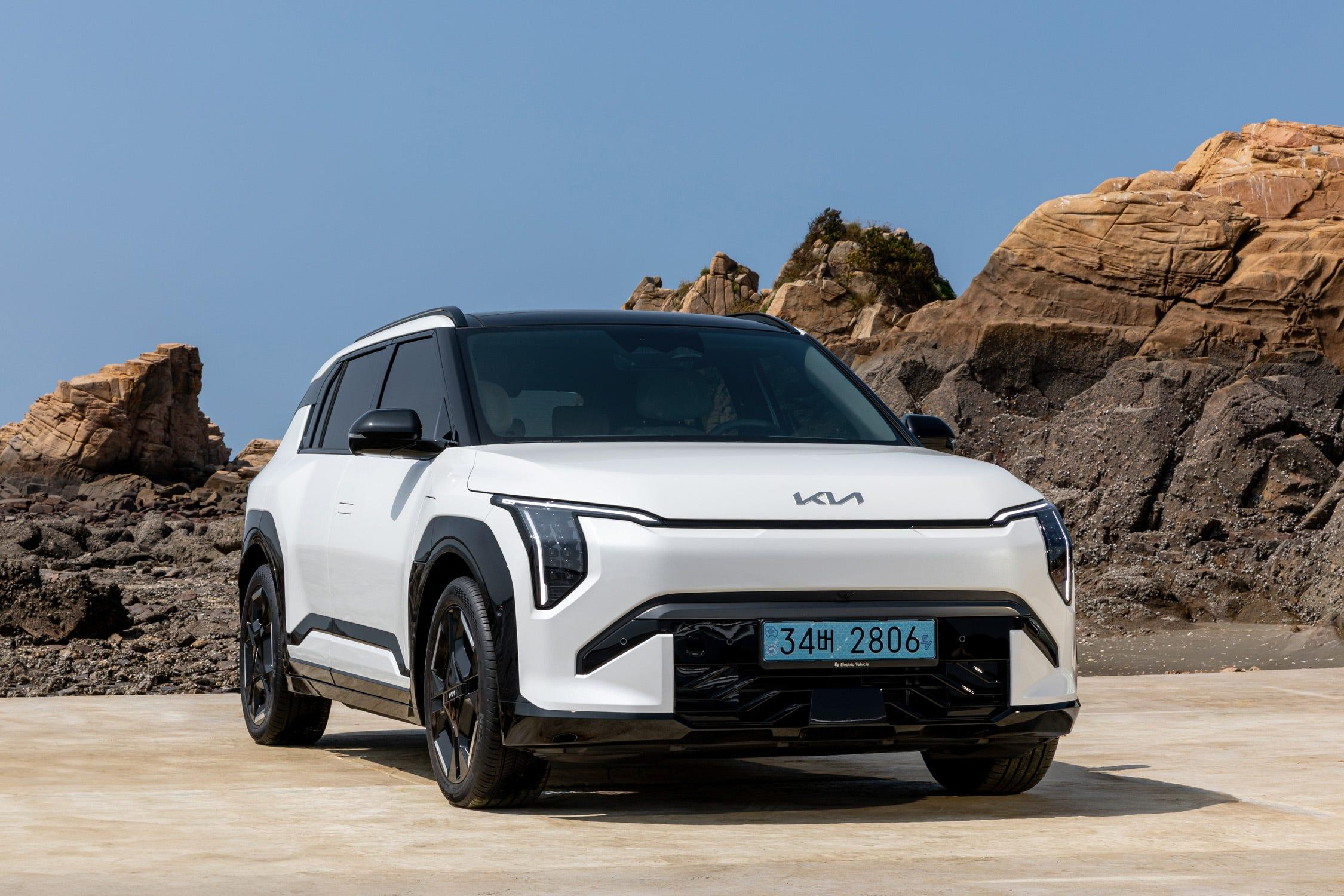
The compact Kia EV3 is scheduled to make its Philippine debut this September, while the PV5 electric commercial van will follow in October. Together, the two models will take Kia’s local EV strategy beyond the larger EV5 and EV9 and into more mainstream passenger and commercial applications.
EV3 targets the compact SUV market
The EV3 brings Kia’s latest electric design and technology into a considerably smaller package than the EV9. Based on Philippine government filings cited by CarGuide.PH, the local EV3 is expected in GL and GLS variants, both using a 58.3-kWh battery.
Power comes from a front-mounted electric motor producing 150 kW or 204 PS and 283 Nm of torque. Vehicle-to-load functionality is also expected, allowing the EV3’s battery to power compatible external appliances and equipment.
Final Philippine specifications, equipment differences, driving range, and most importantly pricing should become clearer once Kia formally launches the EV3 this month.
Kia isn’t stopping with another SUV
October brings something very different with the PV5. Instead of targeting private buyers first, Kia Philippines plans to introduce its dedicated electric van initially in Cargo form, putting businesses and fleet operators directly into its EV strategy.
Government filings indicate Standard and Extended Range versions with 51.5-kWh and 71.2-kWh batteries, respectively. Both use a 120-kW or 163-PS front-mounted motor producing 250 Nm.
The back-to-back launches show that Kia isn’t simply adding more electric SUVs to its showroom. With the EV3 aimed at everyday passenger-car buyers and the PV5 targeting commercial users a month later, the brand is beginning to cover significantly more of the Philippine EV market.
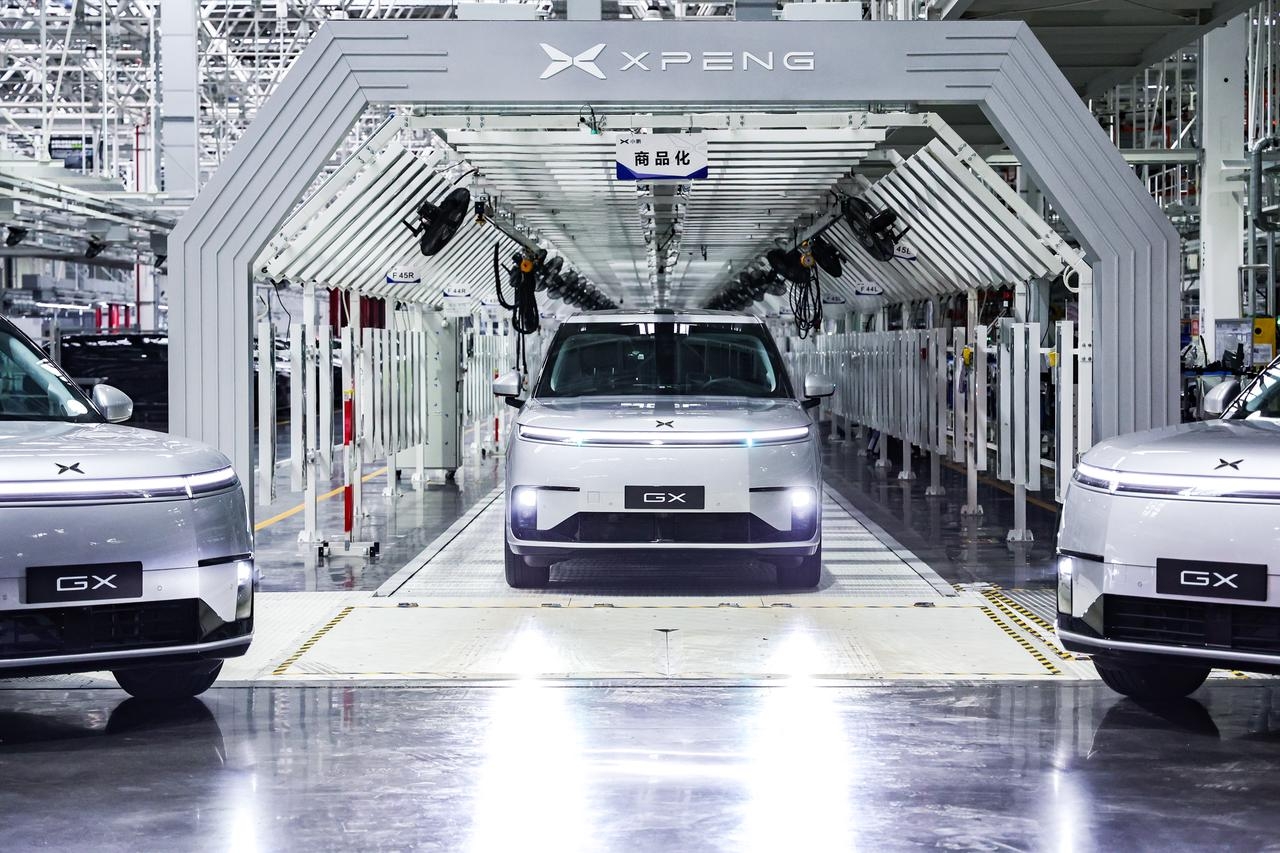
In its home market, the six-seat GX is offered in both fully electric and range-extended versions. The latter combines a 63.3-kWh LFP battery with dual electric motors producing a combined 370 kW or 503 PS and 695 Nm of torque.
XPENG claims up to 430 km of electric driving and 1,585 km of combined range under China’s CLTC testing standard. A 1.5-liter turbocharged gasoline engine serves as the range extender rather than directly driving the wheels.
Launch not confirmed
For now, the GX’s DOE recognition is another indication of the models XPENG is evaluating or preparing for the Philippine market. No local launch date, variants, or pricing for the GX have been announced.
Until XPENG or its Philippine distributor confirms otherwise, the GX should be treated as a model to watch rather than a confirmed addition to the local lineup.
XPENG Philippines is preparing its September 2026 debut with the L03 crossover and X9 electric MPV, introducing two very different propositions to Filipino buyers. One could bring the brand within reach of shoppers considering their first electrified family car; the other aims considerably higher. The two-model launch plan has been announced, although final local pricing and variant details remain important pieces of the picture.
The arrival of another Chinese automotive brand is no longer enough to make a compelling buying argument. Filipino motorists have increasingly varied choices, and a large touchscreen or an impressive claimed range does not automatically make one vehicle the better purchase. The more useful question is what XPENG can offer that makes daily driving—and the years of ownership afterward—better.
Photo : XPENG
Its emphasis on artificial intelligence and software gives us something worth examining. But those capabilities need to translate into practical benefits, not merely another set of acronyms to learn.
The XPENG L03 could be the one that matters most
The L03 deserves attention because of its potential price positioning. Top Gear Philippines has reported an expected starting price below ₱2 million, although this remains an indication rather than an announced Philippine SRP. If that positioning holds, the L03 could enter the shortlist of buyers comparing conventional crossovers, hybrids, plug-in hybrids, and battery-electric alternatives.
For a sense of its footprint, XPENG’s overseas specifications describe a five-seat crossover measuring 4,650 mm long, 1,920 mm wide, and 1,600 mm tall, with a 2,850-mm wheelbase. Those figures provide useful context, but they should not be mistaken for a finalized Philippine specification sheet. Its width, in particular, is something prospective owners should consider against their parking space and usual routes.
That is why the L03 could be the more consequential launch. A competitively priced crossover with useful space and well-executed technology has a broader potential audience than a luxury flagship. The challenge will be delivering those strengths in the Philippine variants buyers can actually order.
The XPENG X9 makes the bigger statement
The seven-seat X9 occupies a different price bracket, with earlier Philippine reporting placing its indicative price around ₱4.5 million. That is premium-MPV territory, where buyers should expect convincing passenger comfort and ownership support—not simply a dramatic exterior. The figure is not yet a final local SRP.
For a family buying a large electric MPV, the real questions remain straightforward. Is the third row comfortable enough to use regularly? How easily can everyone get in, how much luggage remains with all seats occupied, and how conveniently can the vehicle be charged between trips?
XPENG is selling AI—but what will it do here?
The technology pitch becomes more interesting when we move beyond the brochure. XPENG’s Philippine X9 page promotes voice interaction, parking assistance, and driver-assistance functions, while also warning that equipment can vary by model, trim, and market. That makes the exact list of locally enabled functions an essential launch-day question.
Photo : XPENG
How will the available systems behave around motorcycles filtering between lanes, jeepneys making frequent stops, or vehicles merging into small gaps? What happens when lane markings fade or heavy rain reduces visibility? These are questions for controlled evaluation, not claims that any system can independently negotiate every Philippine traffic situation.
The distinction matters: XPILOT is driver assistance, not autonomous driving. XPENG itself states that the system cannot handle every traffic, weather, and road condition, and that the driver must remain attentive and intervene when necessary. An AI label does not change that responsibility.
Photo : XPENG
The less dramatic software functions could prove just as valuable. Voice commands that understand local users, navigation that handles Philippine destinations properly, and menus that make everyday controls easy to reach would all improve the experience. XPENG advertises over-the-air updates, but buyers should assess the functions available at delivery rather than purchase on the assumption that a missing capability will arrive later.
The real test starts after the launch
Another notable part of XPENG’s entry is its operating structure. The company is establishing XPENG Philippines as a direct subsidiary overseeing national sales, marketing, distribution, and retail operations. That creates a direct manufacturer presence, although it does not mean every dealership is company-owned or automatically guarantee excellent aftersales service.
There are already support services being advertised. XPENG’s Philippine service page lists remote diagnostics, service booking, genuine parts, and round-the-clock roadside assistance. These are useful starting points, but prospective owners still need clear information about coverage, service locations, response arrangements, and the precise vehicle and battery warranty terms.
The Philippine electrified-vehicle market is getting crowded. XPENG is betting that technology can help it stand out. What matters next is whether that technology makes the ownership experience better.
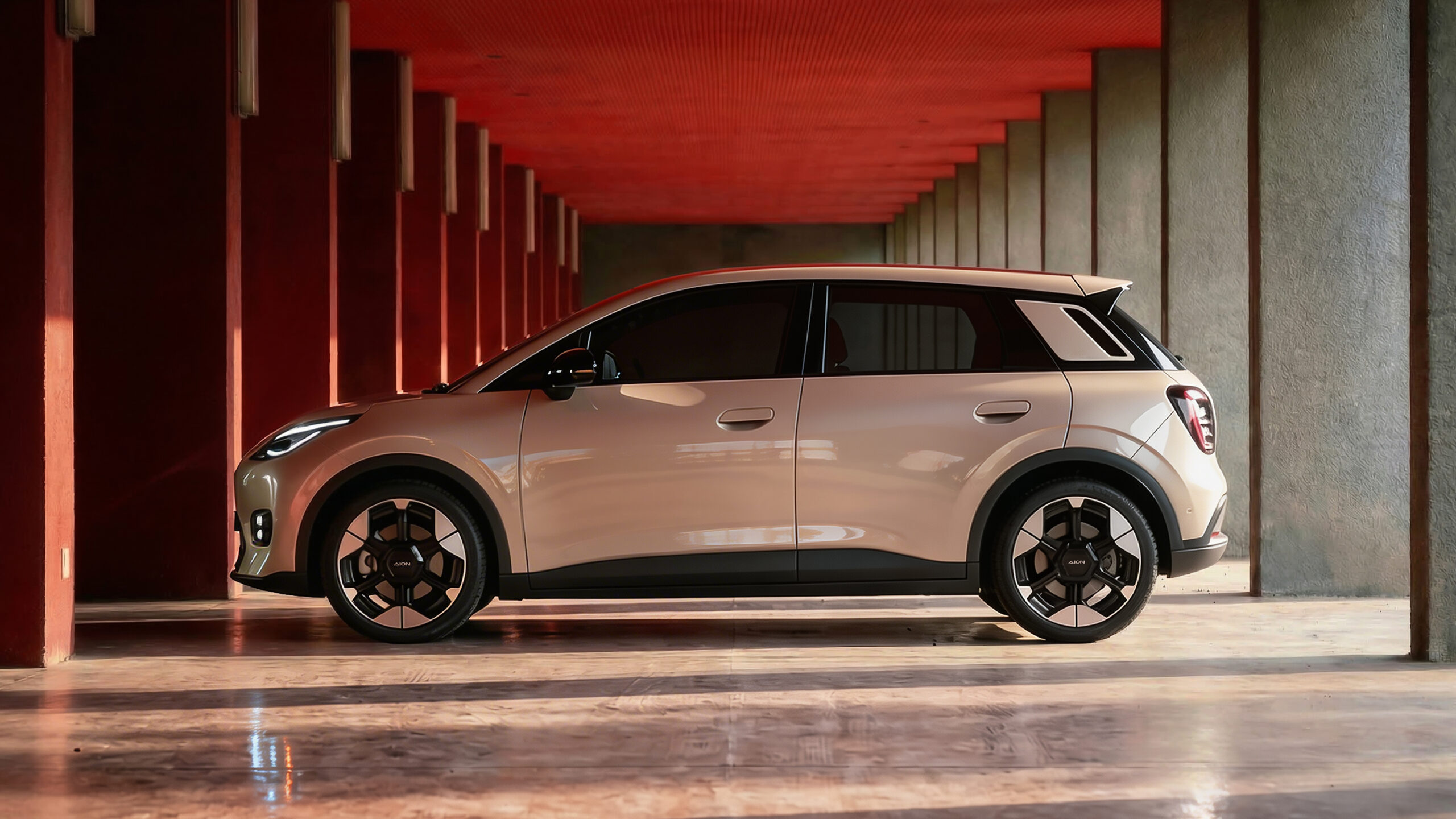
GAC Philippines has announced that the GAC AION UT earned a five-star rating in Euro NCAP’s 2026 safety assessment. The electric hatchback was among three Chinese models awarded five stars in the testing organization’s September 2 results. Locally, GAC is offering the Aion UT Elite at an introductory price of ₱998,000 until September 30, 2026.
How the AION UT performed
The AION UT was assessed under Euro NCAP’s updated 2026 protocols, which examine safety across four stages:
Assessment area
Score
Safe Driving
66%
Crash Avoidance
74%
Crash Protection
91%
Post-Crash Safety
88%
Euro NCAP reported strong performance from the car’s autonomous emergency braking system and awarded maximum points for rear-seat child protection in the frontal offset test. It also noted a center airbag designed to reduce contact between occupants during side impacts. However, the assessment identified weaknesses, including marginal chest protection for the small female driver in the full-width crash test and insufficient physical controls for key driving functions.
GAC’s release also highlights a body structure comprising 71% high-strength steel and a seven-airbag system. These are relevant engineering details, although the independent test results provide a more useful measure of how the assessed vehicle performs.
For Philippine buyers, the rating’s scope deserves attention: Euro NCAP identifies Premium and Luxury versions, with Premium as the tested variant. The locally marketed Elite is not explicitly listed, so equivalence with the assessed specification still needs confirmation.
Philippine price and availability
According to GAC Philippines, the AION UT Elite’s ₱998,000 introductory price represents a ₱70,000 reduction from its ₱1,068,000 suggested retail price. The offer runs until September 30, 2026, with reservations open through GAC dealerships nationwide. The Philippine Elite uses a 100 kW electric powertrain driving the front wheels.
The result gives prospective buyers useful independent safety information alongside the car’s price and equipment. Confirming which tested safety features are fitted to the Philippine Elite would make that information more directly useful when comparing locally available electric hatchbacks.
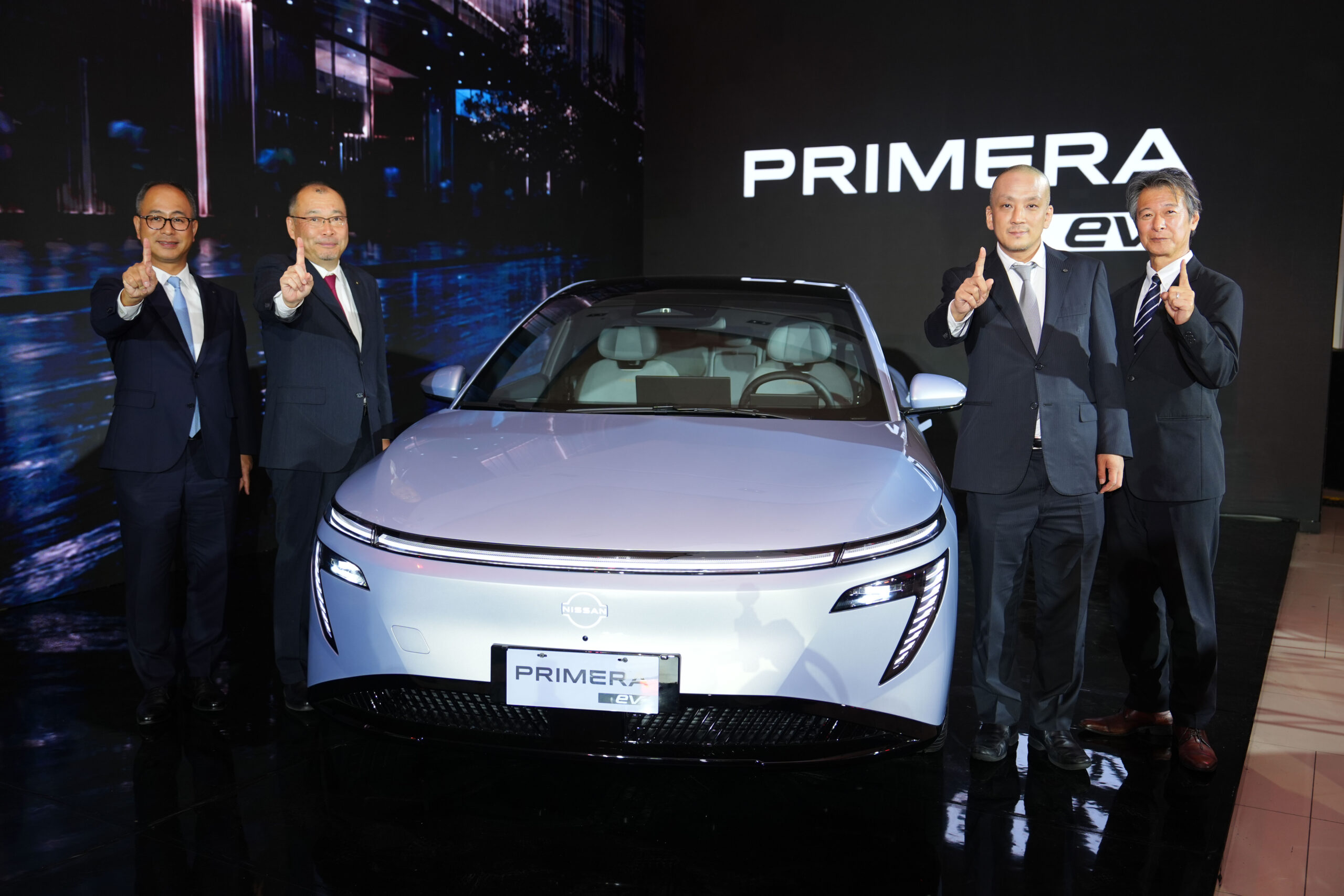
Nissan Philippines is preparing to bring the Nissan Navara Pro PHEV and Nissan Primera EV to local dealerships this November, following a September 1 media preview at The Blue Leaf Cosmopolitan. According to AutoIndustriya, citing Nissan Philippines president Yoshinori Kanazawa, both models are scheduled to arrive at dealerships on November 6, 2026. That gives Filipino buyers a clearer timeline for Nissan’s upcoming plug-in hybrid pickup and fully electric sedan.
The two vehicles had already been previewed at the Philippine International Motor Show in June. Their approaching arrival raises a more interesting question than simply what powers them: what equipment, charging support, and pricing would make either one worth waiting for?
A plug-in Navara and a fully electric Primera
The Navara Pro PHEV combines a gasoline engine with an electric powertrain and a battery that can be charged externally. Nissan positions it as an option for electric driving during everyday use, with gasoline power available for longer journeys or heavier demands. Unlike the Kicks e-POWER, it is designed to plug into an external charger.
The Primera EV takes the fully electric route, bringing the familiar nameplate back as a battery-powered sedan. Nissan has previously highlighted its streamlined exterior, premium cabin, and connectivity, but buyers still need the final Philippine specifications to judge the complete package. Battery capacity, charging performance, and equipment availability should not be assumed from overseas versions.
AutoIndustriya’s latest availability report says official specifications have yet to be revealed. For now, the confirmed powertrain types and November schedule provide a firmer basis for discussion than treating preliminary figures as the final showroom specification.
What belongs on your November wish list?
For the Navara Pro PHEV, would you prioritize enough electric-only range for your daily commute, strong towing and payload ratings, or off-road equipment? Would vehicle-to-load outlets for camping gear and electrical tools make a difference? Those are features and capabilities worth asking about, rather than assuming they will all reach Philippine units.
For the Primera EV, what would win you over: faster charging, ventilated seats, useful driver-assistance systems, or a home-charger package? A comfortable cabin and clear battery-warranty terms could matter just as much as a headline range figure.
Pricing will help determine how convincing either package becomes when November arrives. Until Nissan releases the final local details, tell us: would you choose the plug-in hybrid pickup or the fully electric sedan—and what is the one feature it must have?
GAC International Philippines has shared the experiences of two GAC AION V owners who used their electric SUVs for inter-island travel, including one journey covering 1,492 kilometers across Luzon, Visayas, and Mindanao. Featured in the brand’s Life With GAC campaign, the accounts describe how charging stops and ferry crossings fitted into their trips. They offer a practical look at traveling beyond the usual urban routes in an electric vehicle.
A 1,492-kilometer journey with charging stops
AION V owner Romel Emperado completed the longer journey, passing through Samar and Leyte, where GAC says public charging infrastructure is still developing. He reported average energy consumption of 13.9 kWh/100 km while maintaining cruising speeds of 80–100 km/h, using regenerative braking, and selecting the vehicle’s power-saving mode. That figure is an owner-reported trip average rather than an independently verified efficiency test.
Emperado planned his charging around breaks and overnight stays, avoiding driving at night. “We just hung out at malls or slept at Airbnbs while the car charged,” he said in GAC’s release. The 1,492 km figure therefore represents the total journey, not the distance covered on a single charge.
Taking an electric SUV from Cebu to Mindanao
Another owner, Rommel Laranjo, used his AION V for a family journey from Cebu to Mindanao involving two roll-on/roll-off ferry passages. According to GAC, he arrived home with 36% battery remaining and a reported remaining-range estimate of 183 km, despite using the air conditioning throughout the day. The release does not specify his total trip distance or provide a complete charging itinerary.
Laranjo also uses the electric SUV for a 34-kilometer daily commute, with home charging supplemented by a solar setup. He highlighted the ability to keep the cabin cool while waiting for ferry embarkation without an idling combustion engine producing exhaust. His reported savings reflect his household’s charging arrangements, however, rather than a cost figure that applies to every EV owner.
For Filipino buyers considering an electric SUV, the useful takeaway is how charging was incorporated into each journey. Destination stops and overnight accommodation gave the owners opportunities to replenish the battery, while ferry crossings connected the road sections. These experiences suggest that inter-island EV travel is achievable with preparation, although charging access along the intended route remains an important part of the plan.