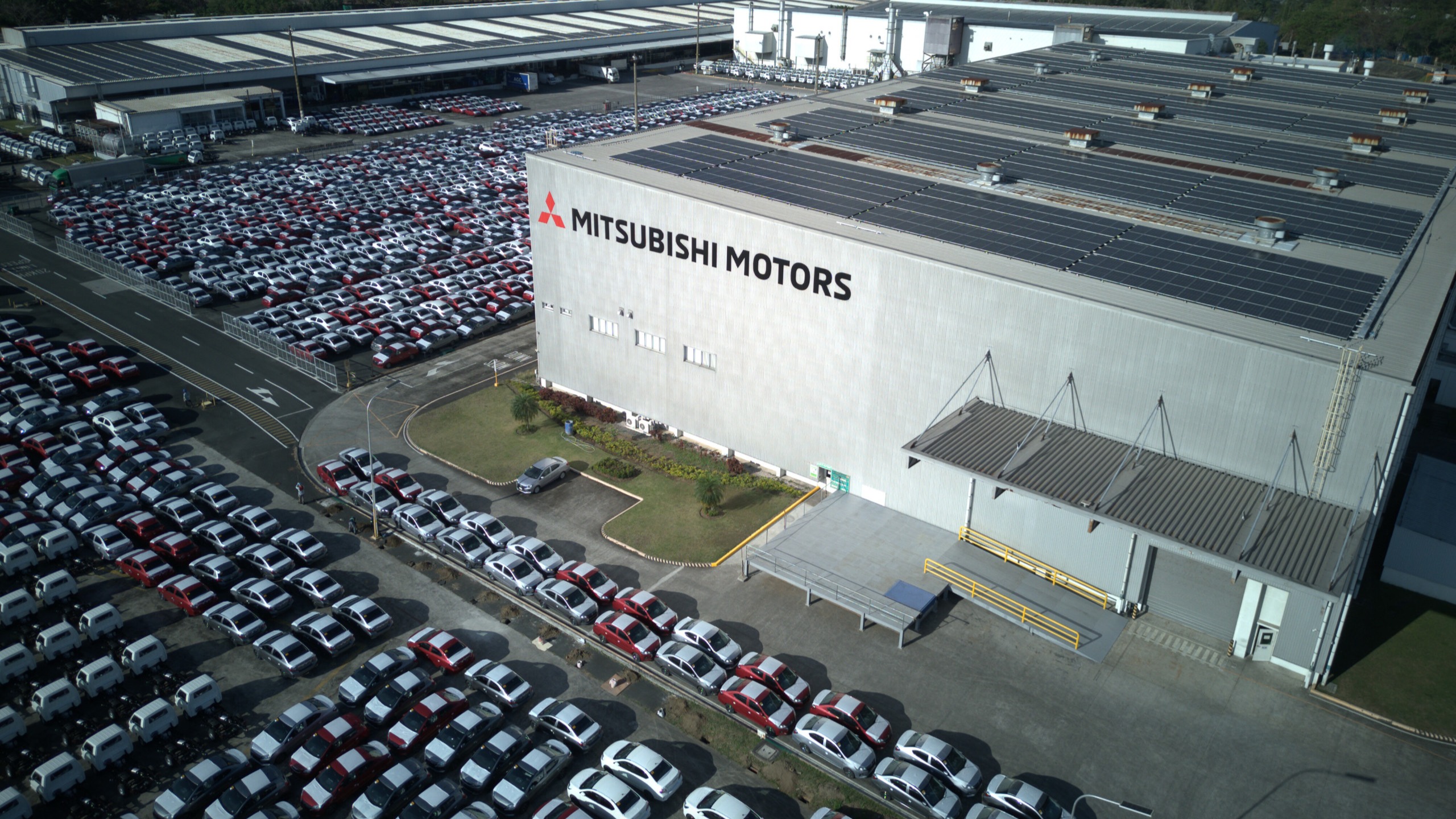
The Japanese automaker is doubling down on local manufacturing, with hybrid vehicle production now part of its long-term plans for the country.
The Philippine automotive industry could be entering a new chapter as Mitsubishi Motors Philippines Corporation (MMPC) has officially expressed its intention to manufacture Hybrid Electric Vehicles (HEVs) locally through the government’s proposed Electric Vehicle Incentive Strategy (EVIS) program.
While the announcement may sound like another corporate investment update at first glance, it carries a much bigger implication—not just for Mitsubishi, but for the future of vehicle manufacturing in the Philippines.
Hybrids, Not Fully Electric Vehicles
One of the biggest takeaways from Mitsubishi’s announcement is that the company isn’t jumping straight into battery-electric vehicle production.
Instead, Mitsubishi is taking what it calls a phased approach to electrification, beginning with Hybrid Electric Vehicles (HEVs) before eventually transitioning toward Plug-in Hybrid Electric Vehicles (PHEVs) and, later on, fully electric models.
It’s a strategy that makes sense for the Philippine market, where charging infrastructure continues to develop while hybrids have steadily gained acceptance among local buyers.
Local Production Could Begin by 2028
According to Mitsubishi Motors Corporation’s official announcement, the company intends to begin local hybrid vehicle production at its manufacturing facility in Santa Rosa, Laguna by around mid-2028, subject to approval under the EVIS program.
Although Mitsubishi has yet to reveal which hybrid model will be assembled locally, the move represents one of the most significant commitments toward vehicle electrification by a manufacturer operating in the country.

More Than Just Another Assembly Line
For consumers, local hybrid production could eventually mean more than simply seeing “Made in the Philippines” on a vehicle.
Manufacturing locally often helps strengthen supplier networks, generate employment opportunities, and improve the competitiveness of the local automotive industry. While pricing has not been discussed, producing vehicles domestically could also provide manufacturers with greater flexibility in the long run compared to relying entirely on imports.
Mitsubishi has also reaffirmed its commitment to the Philippine economy, highlighting that it has invested more than ₱11.6 billion in its local operations over the past decade, with plans to invest another ₱7 billion over the next five years.
EVIS: The Next Step After CARS
The announcement also places the spotlight on the government’s proposed Electric Vehicle Incentive Strategy (EVIS), a program designed to encourage manufacturers to invest in local electrified vehicle production.
In many ways, EVIS is expected to succeed the previous Comprehensive Automotive Resurgence Strategy (CARS) program by shifting the focus from conventional vehicle manufacturing toward electrified mobility.
For Mitsubishi, participation in EVIS provides the opportunity to continue expanding its local manufacturing footprint while aligning with the country’s long-term sustainability goals.
What do you think Mitsubishi should build first in the Philippines? Should it be a hybrid version of the Xpander, the Xforce, or an entirely new model? Let us know your thoughts in the comments.